
The Mediterranean diet has been considered one of the world’s healthiest ways of eating for decades. Numerous scientific studies prove that traditional Mediterranean cuisine can significantly reduce the risk of cardiovascular disease, diabetes, and certain types of cancer. At the heart of this diet is high-quality olive oil as the central source of fat, supplemented by plenty of vegetables, fruit, legumes, fish, and whole grains. UNESCO has even declared the Mediterranean diet an Intangible Cultural Heritage of Humanity—a sign of its cultural and health significance.
What exactly is the Mediterranean diet?
The Mediterranean diet is based on the traditional eating habits of countries around the Mediterranean—especially Southern Italy, Greece, Crete, and Spain. Unlike many modern diets, it isn’t built on restriction, but on a balanced combination of high-quality, natural foods. The term was coined in the 1960s by American nutrition scientist Ancel Keys, who documented the strikingly low rate of heart disease in the Mediterranean region in his famous Seven Countries Study.
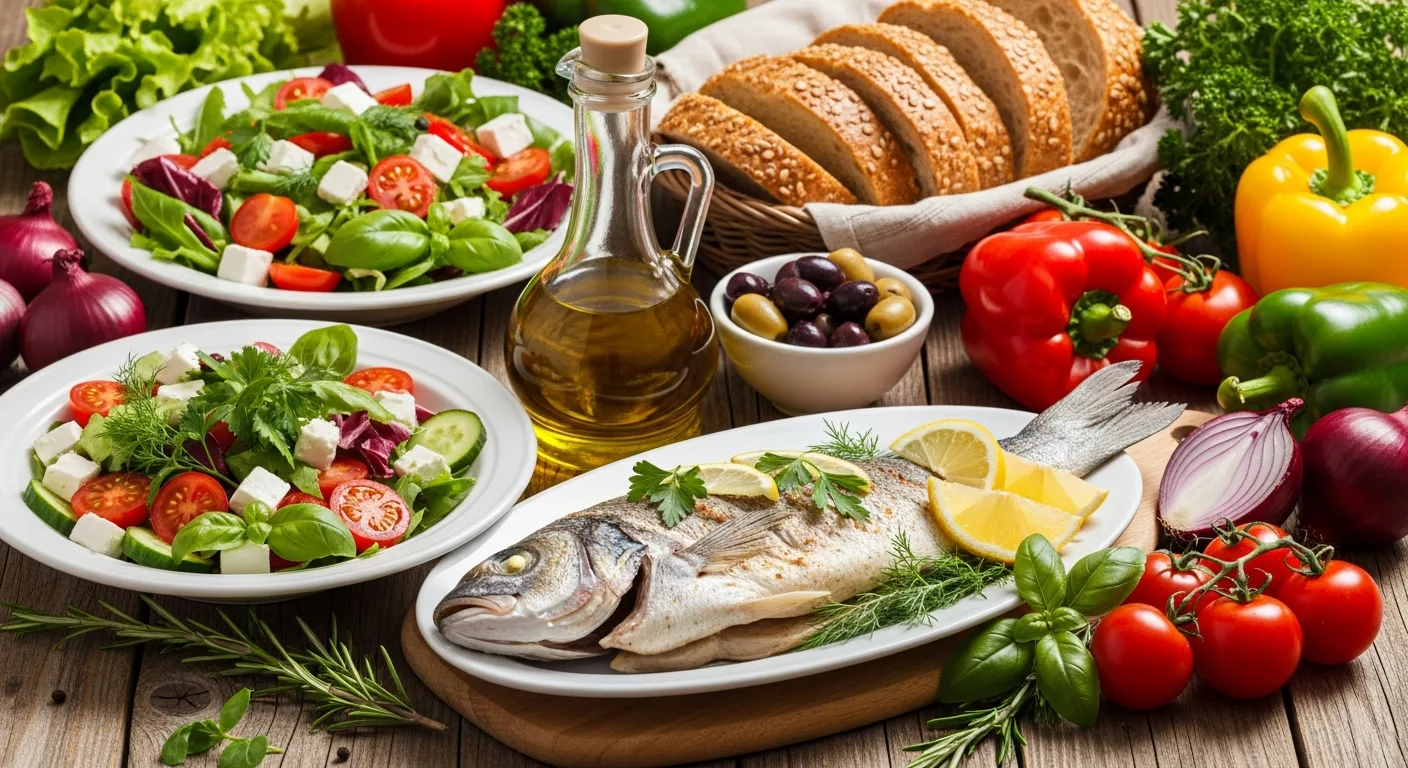
The cornerstones of the Mediterranean diet are a wide variety of plant-based foods: fresh vegetables such as tomatoes, peppers, aubergines, and courgettes, along with fruit, nuts, seeds, and legumes like lentils and chickpeas. Whole grain products provide complex carbohydrates for long-lasting energy. Fish and seafood are served once or twice a week, while red meat is consumed only rarely. Fresh herbs like basil, oregano, and rosemary replace unnecessary salt and ensure aromatic flavor experiences.
The central role of olive oil
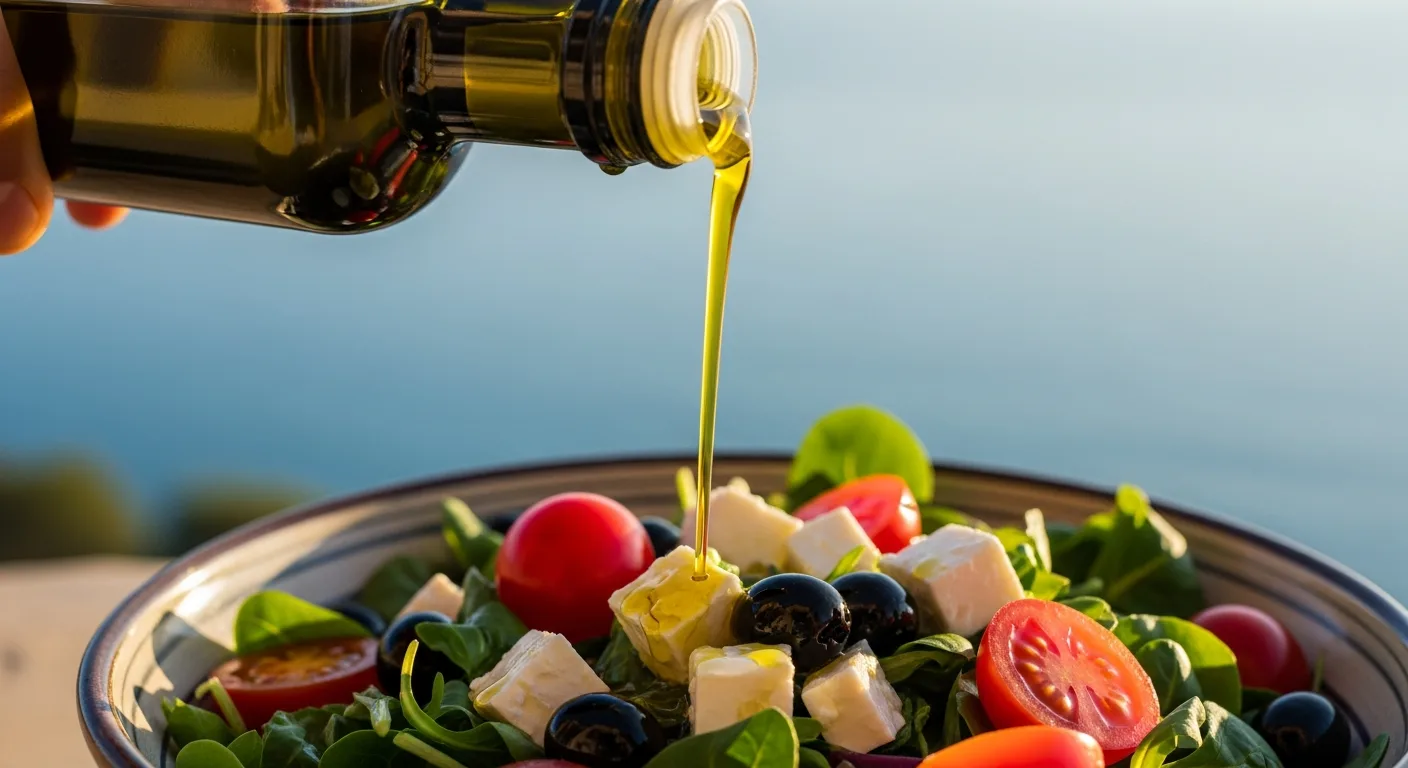
The centerpiece of the Mediterranean diet is without a doubt extra virgin olive oil. It serves as the primary source of fat and almost completely replaces butter, margarine, and other animal fats. High-quality olive oil provides up to 80% monounsaturated fatty acids, especially oleic acid, which has been shown to lower harmful LDL cholesterol without negatively affecting protective HDL cholesterol. Furthermore, cold-pressed olive oil contains valuable polyphenols such as hydroxytyrosol and oleocanthal—bioactive compounds with strong antioxidant and anti-inflammatory properties.
Scientific studies on the Mediterranean diet
The health benefits of the Mediterranean diet are supported by numerous high-quality studies. The findings cover a range of conditions and consistently show positive effects on physical and mental health.
The PREDIMED study – a milestone in nutrition research
The most important study on the Mediterranean diet is the Spanish PREDIMED study, published in the New England Journal of Medicine. More than 7,400 participants with increased cardiovascular risk were followed for almost five years. The results were clear: participants who ate a Mediterranean diet and additionally consumed olive oil or nuts experienced around 30% fewer major cardiovascular events such as heart attack or stroke compared to the control group on a low-fat diet.
To this day, this study is considered one of the most convincing pieces of evidence that switching to a Mediterranean diet can significantly reduce the risk of serious cardiovascular disease. Particularly noteworthy: the protective effect was strongest among participants who additionally consumed olive oil.
Long-term study: 23% lower mortality
A large cohort study with more than 25 years of follow-up and around 40,000 female participants showed that consistently following a Mediterranean diet can reduce overall mortality by 23%. The reasons are varied: improved inflammation markers, more stable blood sugar levels, a lower body mass index, and better insulin sensitivity all contribute to this impressive result.
Cardiovascular protection through a Mediterranean diet
Protecting the cardiovascular system is one of the best-documented benefits of the Mediterranean diet. The combination of monounsaturated fatty acids in olive oil, omega-3 fatty acids from fish, and a wealth of plant antioxidants works on several levels at once: it lowers blood pressure, improves the blood lipid profile, reduces inflammation markers, and protects blood vessels from deposits.
Epidemiological data has shown for decades that populations in the Mediterranean region suffer less frequently from coronary heart disease than people in Northern Europe or North America. This difference can be largely attributed to dietary habits. In particular, the regular consumption of extra virgin olive oil—ideally three to four tablespoons daily—measurably contributes to improving vascular health.
Cholesterol levels and blood lipids
The monounsaturated fatty acids in olive oil have a proven positive effect on the serum lipid profile. They lower LDL cholesterol—commonly referred to as “bad” cholesterol—without negatively affecting HDL cholesterol, which is considered protective. A study by Paris-Saclay University showed that after just four weeks of a Mediterranean diet, cholesterol levels improve significantly.
Anti-inflammatory effect
Chronic inflammation is considered a driving force behind many modern diseases. A meta-analysis published in 2024 with 15 clinical studies and over 2,400 participants showed that the Mediterranean diet combined with olive oil significantly lowers the inflammatory markers IL-6 and CRP. These biomarkers play a key role in the development of atherosclerosis, diabetes, and other chronic diseases. The polyphenols in olive oil—especially oleocanthal—act similarly to ibuprofen by inhibiting certain inflammatory enzymes.
Diabetes prevention and blood sugar regulation
The Mediterranean diet also shows impressive results in the prevention of type 2 diabetes. Fiber-rich foods—legumes, whole grains, vegetables—ensure a slow, steady rise in blood sugar levels and prevent the dangerous blood sugar spikes that often occur with a carbohydrate-rich Western diet. Studies show improved insulin sensitivity in people who follow a Mediterranean diet long-term.
The role of olive oil in blood sugar regulation is particularly noteworthy. Monounsaturated fatty acids slow gastric emptying and therefore the absorption of sugar into the bloodstream. At the same time, the polyphenols in olive oil support the function of insulin-producing beta cells in the pancreas. Together, this leads to more stable metabolism and a significantly reduced risk of diabetes.
Cancer prevention through antioxidants
The Mediterranean diet is rich in natural antioxidants—substances that neutralize free radicals and protect cells from oxidative stress. Alongside antioxidant vitamins E and C and beta-carotene, researchers are increasingly focusing on plant compounds such as flavonoids and polyphenols, which occur in great variety in the Mediterranean diet thanks to the abundant consumption of fruit, vegetables, and olive oil.
Epidemiological studies indicate that a consistent Mediterranean diet can lower the risk of certain types of cancer—particularly colorectal and breast cancer. The oleic acid in olive oil could influence certain signaling pathways involved in tumor growth. The fiber from legumes and whole grain products also contributes to gut health and promotes a favorable composition of the gut flora, which in turn strengthens the immune system.
Protection against dementia and cognitive decline
The benefits of the Mediterranean diet are not limited to the body – the brain also demonstrably profits. A study by Newcastle University with over 60,000 British participants found that a consistent Mediterranean diet can reduce the risk of dementia by 23 percent, regardless of genetic risk profile. This is particularly significant as the number of dementia cases worldwide is steadily increasing, and preventive measures are urgently needed.
The protective effect on the brain is attributed to several factors: the anti-inflammatory polyphenols in olive oil protect nerve cells from oxidative stress. Omega-3 fatty acids from fish promote the formation of new synapses and support signal transmission between nerve cells. And the overall improved blood circulation resulting from cardiovascular protection also benefits the oxygen supply to the brain.
Fitness and performance
Contrary to the prejudice that a high-fat diet makes you sluggish, the Mediterranean diet supports physical performance in many ways. The healthy fats from olive oil provide long-lasting energy, while the complex carbohydrates from whole grains and legumes ensure stable blood sugar levels—ideal conditions for physical activity and endurance.
The Mediterranean diet also offers benefits for post-workout recovery. Omega-3 fatty acids from fish have anti-inflammatory effects and can ease muscle soreness and training-related inflammation. Polyphenols from olive oil and fruit reduce oxidative stress caused by intense physical exertion. Older studies also show that a Mediterranean diet helps maintain muscle strength in older age and significantly reduces the risk of frailty.

Weight management without deprivation
A common problem with modern diets is their lack of sustainability: strict bans and restrictions lead to frustration and the dreaded yo-yo effect. The Mediterranean diet takes a fundamentally different approach. It focuses on enjoyment, variety, and high-quality ingredients instead of calorie reduction and prohibitions. A meta-analysis in the American Journal of Medicine showed that participants on a Mediterranean diet lost more weight long term and were better able to keep it off than comparison groups on conventional diets.
The key lies in natural satiety: fiber-rich legumes, whole grains, and vegetables fill the stomach and prevent cravings. The healthy fats from olive oil ensure a lasting feeling of fullness and slow down gastric emptying. At the same time, the varied cuisine provides so many flavor experiences that no feeling of deprivation arises—a crucial prerequisite for a permanently healthy diet.
Gastrointestinal health
The fiber-rich Mediterranean diet supports digestive health on several levels. The diverse plant fibers from vegetables, fruit, and legumes promote healthy bowel movement and can significantly reduce the risk of diverticulosis—a widespread disease of the large intestine. The risk of gallstones also decreases with a diet low in saturated fats and rich in plant-based nutrients.
Furthermore, current research shows that the composition of the gut flora is significantly influenced by diet. A Mediterranean diet promotes beneficial gut bacteria that produce short-chain fatty acids – important signaling molecules for the immune system and the intestinal barrier. These findings underscore that the benefits of the Mediterranean diet extend far beyond the classic cardiovascular effects.
Practical implementation in everyday life
Switching to a Mediterranean way of eating doesn’t have to happen overnight. Even small changes can make a big difference. A good first step is replacing butter and margarine with high-quality extra virgin olive oil. The German Nutrition Society recommends about one tablespoon (10 to 15 grams) of olive oil daily. Studies such as PREDIMED suggest that for optimal protective effects, higher amounts—three to four tablespoons daily—may also be beneficial.
A typical Mediterranean meal plan could look like this: for breakfast, whole grain bread with olive oil and tomatoes or porridge with nuts and fresh fruit. For lunch, a colorful salad with legumes, olive oil, and fresh herbs. For dinner, grilled fish with seasonal vegetables and brown rice. In between, nuts, dried fruit, or fresh fruit are suitable as snacks. Anyone who wants to learn more about sustainably produced olive oil will find an opportunity to buy directly from the producer through an olive tree adoption.
Pay attention to olive oil quality
Not every olive oil offers the same health benefits. Only extra virgin olive oil from the first cold pressing at temperatures below 27°C retains its full nutrient density. Greenish, thick, intensely flavored oil—such as from Liguria or Crete—generally has higher polyphenol levels than cheap supermarket products. Investing in high-quality olive oil is also an investment in your health. You can also find current news and insights into organic olive growing on Facebook.
Enjoyment instead of deprivation – the philosophy of the Mediterranean diet
What distinguishes the Mediterranean diet from most nutritional concepts is its fundamentally positive orientation. Instead of emphasizing prohibitions and restrictions, the focus is on enjoyment. Traditional Mediterranean cuisine is colorful, aromatic, and diverse—qualities that help ensure this way of eating is lived not as a short-term diet, but as a permanent lifestyle.
This philosophy of life is also reflected in how meals are traditionally eaten in the Mediterranean region: together with family and friends, unhurriedly, and with appreciation for the ingredients. This mindful eating supports satiety and helps prevent overeating. The Mediterranean diet impressively shows that healthy eating doesn’t have to mean giving up enjoyment—on the contrary, it can promote joie de vivre and well-being.
Important questions and answers about the Mediterranean diet
The answers are based exclusively on the content of this article.
What are the most important components of the Mediterranean diet?
The Mediterranean diet is based on plenty of fresh vegetables, fruit, legumes, whole grains, and nuts. High-quality extra virgin olive oil serves as the primary source of fat and replaces butter and other animal fats. Fish and seafood are consumed once or twice a week, while red meat is rarely on the menu. Fresh herbs like basil, oregano, and rosemary provide aromatic seasoning without unnecessary salt. This composition provides all essential nutrients in a balanced ratio.
Which study proves the cardiovascular protection of the Mediterranean diet?
The Spanish PREDIMED study is considered the most important evidence for the cardiovascular protection of the Mediterranean diet. More than 7,400 participants with increased cardiovascular risk were followed for almost five years. Participants on a Mediterranean diet plus olive oil experienced 30% fewer major events such as heart attack or stroke. The study was published in the New England Journal of Medicine and remains one of the most convincing proofs of the Mediterranean diet’s protective effect.
How does olive oil affect cholesterol levels?
The monounsaturated fatty acids in olive oil—especially oleic acid—have been shown to lower harmful LDL cholesterol in the blood. At the same time, protective HDL cholesterol is not negatively affected. A study by Paris-Saclay University showed that after just four weeks of a Mediterranean diet, cholesterol levels improve noticeably. This positive effect on the lipid profile makes a major contribution to the cardiovascular protection offered by the Mediterranean diet.
Can the Mediterranean diet protect against dementia?
Yes, a study by Newcastle University with over 60,000 participants found that a consistent Mediterranean diet can reduce the risk of dementia by 23 percent. This effect was independent of the participants’ genetic risk profile. The anti-inflammatory polyphenols in olive oil protect nerve cells from oxidative stress. Omega-3 fatty acids from fish support the formation of new synapses and signal transmission in the brain. The improved blood circulation due to cardiovascular protection also benefits the brain’s oxygen supply.
Why does the Mediterranean diet help with weight loss?
The Mediterranean diet relies on natural satiety instead of calorie reduction. Fiber-rich legumes and whole grains fill the stomach and prevent cravings. Healthy fats from olive oil ensure a lasting feeling of fullness and slow down gastric emptying. A meta-analysis in the American Journal of Medicine showed that participants on a Mediterranean diet lost more weight in the long term than comparison groups. Crucially, the diverse cuisine does not allow a feeling of deprivation to arise.
What role do polyphenols in olive oil play?
Polyphenols such as hydroxytyrosol and oleocanthal are bioactive compounds with strong antioxidant and anti-inflammatory properties. Oleocanthal acts similarly to ibuprofen by inhibiting certain inflammatory enzymes. A 2024 meta-analysis confirmed that olive oil polyphenols can significantly lower the inflammatory markers IL-6 and CRP. These polyphenols are found especially in cold-pressed extra virgin olive oil with an intense flavor. They contribute significantly to the Mediterranean diet’s protective effect.
How much olive oil should you consume daily?
The German Nutrition Society recommends about one tablespoon (10 to 15 grams) of olive oil per day. However, studies such as PREDIMED suggest that for optimal cardiovascular protective effects, three to four tablespoons (about 50 grams) daily may also be beneficial. Quality is crucial: only extra virgin olive oil from the first cold pressing below 27°C retains its full nutrient density. High-quality, intensely flavored olive oil generally has higher polyphenol levels.