
People in the Mediterranean region have known for millennia that olive oil is healthy. Even in ancient times, the golden-green oil of the olive was considered not only a food but also a medicine. Today, modern science confirms what generations of Mediterranean inhabitants intuitively recognized: extra virgin olive oil is one of the healthiest foods available. The unique combination of monounsaturated fatty acids and over 30 different polyphenols makes it a natural shield for the heart, blood vessels, and brain.

Healthy Olive Oil: What Science Says
Scientific research on the health effects of olive oil has reached an enormous scope in recent decades. Thousands of studies – including large intervention studies with tens of thousands of participants – have impressively demonstrated the health benefits of extra virgin olive oil. The most important and well-known is the PREDIMED study with over 7,000 participants, which showed that daily consumption of about four tablespoons of extra virgin olive oil reduces the risk of cardiovascular diseases by 30 percent and the risk of stroke by as much as 39 percent.
These impressive results are not isolated. Numerous meta-analyses from 2024 and 2025 confirm that polyphenol-rich olive oil significantly lowers oxidized LDL levels – one of the main factors for arteriosclerosis. At the same time, HDL cholesterol, the so-called “good” cholesterol, increases, and important inflammatory markers such as CRP, interleukin-6, and TNF-alpha decrease. Based on this evidence, the European Food Safety Authority (EFSA) has approved an official health claim: olive oil polyphenols contribute to the protection of blood lipids from oxidative stress.
The Power of Polyphenols: Natural Protective Substances
What makes olive oil healthy and so special are primarily its polyphenols – bioactive plant compounds with extraordinary effects on the human body. Extra virgin olive oil contains over 30 different polyphenols, four of which have been particularly extensively researched:
Hydroxytyrosol is considered one of the strongest natural antioxidants. It protects cells from oxidative stress and neutralizes free radicals before they can damage DNA, proteins, and cell membranes. The EFSA recommends a minimum daily intake of 5 milligrams of hydroxytyrosol from olive oil for the proven protection of blood lipids.
Oleocanthal is the substance that causes the typical throat tickle that surprises many when first tasting a high-quality olive oil. Scientifically, oleocanthal is so fascinating because it has an anti-inflammatory effect comparable to that of ibuprofen – but without any side effects. Chronic, low-grade inflammation is considered one of the main drivers of cardiovascular diseases, type 2 diabetes, and neurodegenerative diseases.
Oleuropein lowers blood pressure and dilates blood vessels by promoting the production of nitric oxide (NO) in the blood vessels. This effect improves endothelial function – i.e., the health of the inner vessel walls – and contributes to the prevention of arteriosclerosis. Oleacein complements the spectrum of effects with cardioprotective properties and inhibits platelet aggregation, which reduces the risk of thrombosis.
Cardiovascular Protection: The Best Documented Effect
The protection of the cardiovascular system is the most well-documented health effect of extra virgin olive oil. The mechanisms are diverse and intervene in metabolism at several levels. The monounsaturated oleic acid, which accounts for about 70 to 80 percent of the fatty acid profile, lowers LDL cholesterol without affecting protective HDL cholesterol. At the same time, polyphenols protect LDL particles from oxidation – a crucial step in the development of arteriosclerosis.
A clinical study from 2025 with patients with elevated blood lipid levels showed that four weeks of daily consumption of polyphenol-rich olive oil (over 400 mg/kg polyphenols) significantly lowered total cholesterol, LDL, and lipoprotein(a) while increasing HDL cholesterol. Particularly noteworthy: the higher the polyphenol content of the olive oil, the more pronounced the positive effects. This underscores why the quality of olive oil is so crucial for its health benefits.
The blood pressure-lowering effect of olive oil is mediated by promoting nitric oxide production in the vessel walls. Nitric oxide relaxes the smooth muscles of the blood vessels, thereby reducing vascular resistance. Studies show a moderate but clinically relevant reduction in systolic and diastolic blood pressure with regular consumption of extra virgin olive oil.
Healthy Olive Oil for the Brain: Cognitive Benefits
One of the most exciting discoveries in recent research concerns the effect of olive oil on brain health. The PREDIMED-Plus study from 2025 with 656 participants aged 55 to 75 showed that regular consumption of extra virgin olive oil significantly improves cognitive function in old age. Participants who consumed more than seven grams of olive oil daily had a 29 percent lower risk of dying from dementia-related causes.
The neuroprotective effect is attributed to several mechanisms: the antioxidant polyphenols protect sensitive nerve cells from oxidative stress, which plays a central role in the development of Alzheimer’s and Parkinson’s. Oleocanthal has been shown to inhibit the formation of beta-amyloid plaques typical of Alzheimer’s. In addition, olive oil positively influences the gut microbiome, which is in direct communication with the brain via the gut-brain axis.
The Mediterranean Diet: Olive Oil as a Key Component
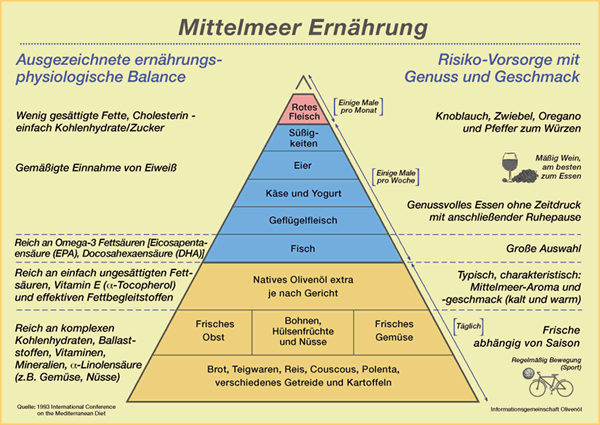
Using olive oil healthily means more than just adding a single food to your diet. It is the heart of the Mediterranean diet, recognized by UNESCO as an intangible cultural heritage of humanity. Over 350 different olive varieties, in addition to location, soil conditions, climate, and ripeness, provide a diversity of flavors that even wine connoisseurs find surprising.
In addition to the characteristic olive flavor of the different varieties, nuances often emerge that are reminiscent of green tomatoes, artichokes, apples, herbs, berries, or many types of nuts and almonds. Unlike neutral-tasting, refined vegetable oils, olive oil gives Mediterranean cuisine its typical, unmistakable taste – and it is precisely this taste that makes the Mediterranean diet so enjoyable and sustainably implementable.
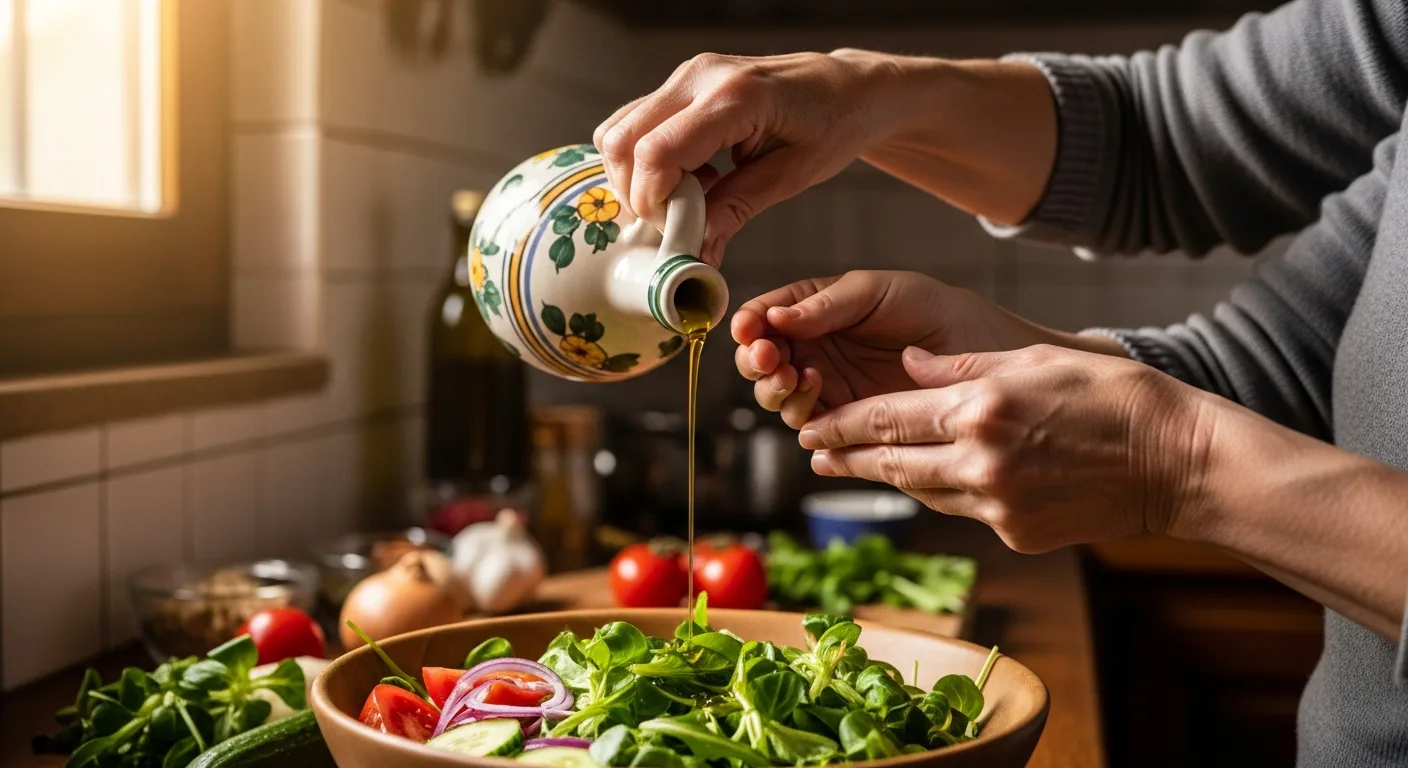
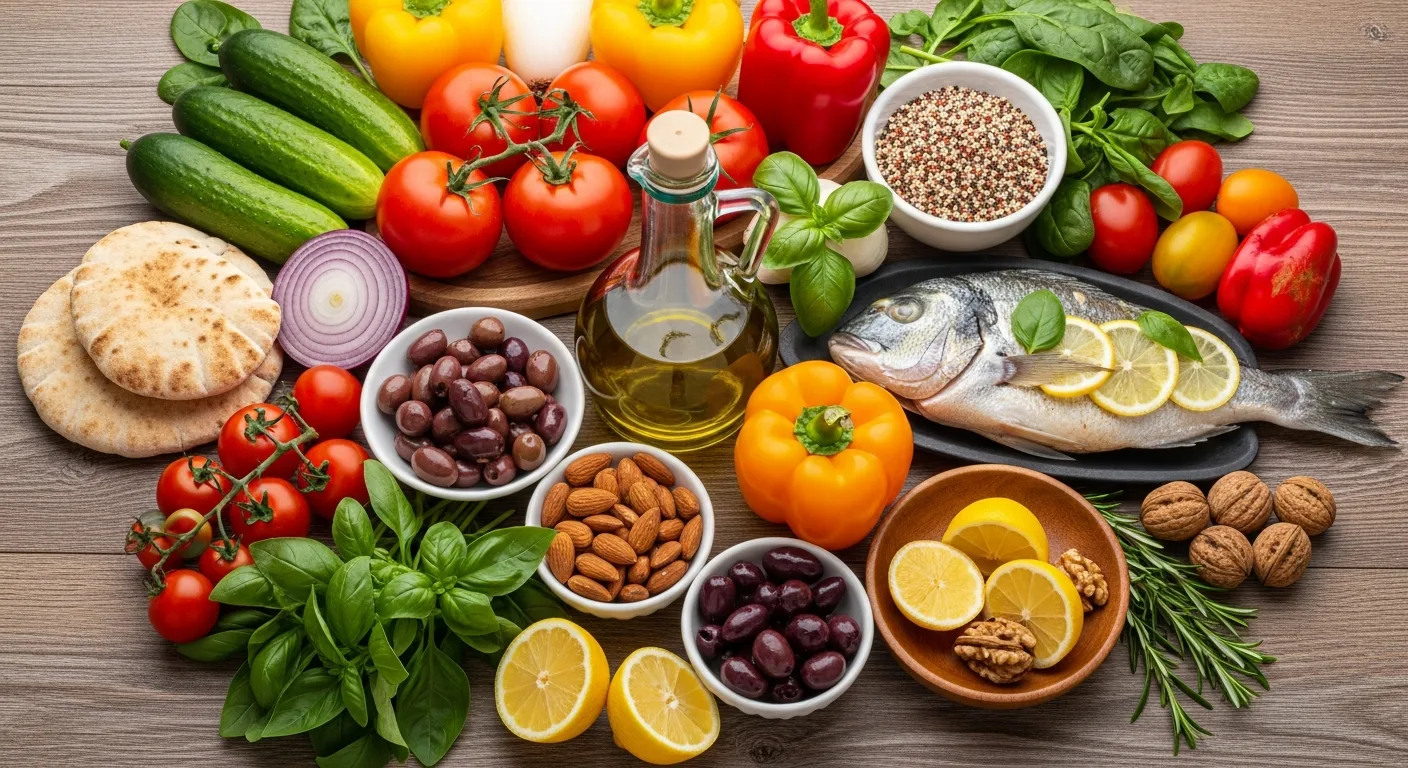
The traditional Mediterranean diet combines olive oil with plenty of vegetables, fruits, legumes, whole grains, fish, and nuts. This combination creates synergistic effects: the fats contained in olive oil significantly improve the absorption of fat-soluble vitamins (A, D, E, K) and carotenoids from vegetables. A salad with olive oil therefore provides significantly more usable nutrients than the same salad with a fat-free dressing.
Anti-inflammatory and Cancer Prevention
Chronic, low-grade inflammation – referred to by scientists as “Silent Inflammation” – is considered a common risk factor for almost all chronic diseases of civilization: cardiovascular diseases, type 2 diabetes, cancer, and neurodegenerative diseases. The polyphenols in olive oil counteract this process at a molecular level by inhibiting the pro-inflammatory NF-kappaB signaling pathway and reducing the production of pro-inflammatory cytokines.
Epidemiological studies from the Mediterranean region show that in areas with high olive oil consumption, the rates of certain types of cancer – particularly breast, colon, and prostate cancer – are significantly lower than in regions with low olive oil consumption. While epidemiological data alone are not sufficient for causal proof, laboratory experimental findings support these observations: oleocanthal and hydroxytyrosol can inhibit the proliferation of cancer cells and promote programmed cell death (apoptosis) of damaged cells in cell cultures.
Diabetes prevention and blood sugar regulation
A recent study from 2024 investigated the effect of polyphenol-enriched olive oil on insulin resistance and achieved promising results: the polyphenols not only reduced body weight and blood sugar levels but also influenced gene expression related to inflammation and oxidative stress. Particularly noteworthy was the positive change in the gut microbiota – a finding suggesting that olive oil exerts its influence on metabolism partly through gut health.
The monounsaturated fatty acids in olive oil improve the insulin sensitivity of cells and help to mitigate blood sugar spikes after meals. In the Mediterranean diet, olive oil often replaces saturated fats from butter or lard – an exchange that demonstrably lowers the risk of type 2 diabetes and improves blood sugar control in existing conditions.

What Matters for Quality
Not all olive oil is equally healthy. The health benefits are directly linked to quality and, in particular, to the polyphenol content. Only extra virgin olive oil, cold-extracted at temperatures below 27 °C, retains its valuable polyphenols and vitamins. Refined olive oils have lost most of their bioactive substances due to industrial processing.
Polyphenol content varies considerably: average extra virgin olive oils contain 100 to 300 mg/kg polyphenols, premium oils from early harvest reach 500 to 700 mg/kg, and top oils from polyphenol-rich varieties such as Coratina, Moraiolo, or Koroneiki can even have 800 mg/kg and more. For maximum health benefits, an oil with at least 300 mg/kg polyphenols is recommended.
Proper storage is also crucial: olive oil should be stored in a dark, cool place (maximum 20 °C) and airtight. Light, heat, and oxygen accelerate the degradation of sensitive polyphenols. It is best to use olive oil within 12 to 18 months after harvest. A printed harvest year on the bottle provides guidance on freshness.
Optimal Dosage: How Much Olive Oil Per Day?
The question of the optimal daily dose concerns many health-conscious individuals. The EFSA recommendation is: at least 20 grams (about two tablespoons) of extra virgin olive oil per day to achieve the proven protection of blood lipids from oxidative stress. The PREDIMED study, which showed the most impressive cardiovascular protective effect, used about 40 grams (four tablespoons) daily.
For daily integration, olive oil is healthy and versatile: a tablespoon over breakfast bread or muesli in the morning, as a salad dressing at lunch, or for refining pasta, soup, or grilled vegetables in the evening. To fully exploit the health benefits, olive oil should preferably be used cold, as some of the sensitive polyphenols are lost when heated. However, extra virgin olive oil is still suitable for frying and cooking – its high oleic acid content makes it heat-stable up to about 180 °C.

Olive Oil and Gut Health
A relatively new and particularly exciting area of research is the influence of olive oil on the gut microbiome. The billions of microorganisms in our gut not only affect digestion but also the immune system, metabolism, and even mood and cognitive performance. Current studies show that the polyphenols in olive oil positively alter the composition of the gut microbiota: they promote the growth of beneficial bacterial strains and inhibit potentially harmful germs.
This probiotic effect may explain why olive oil is healthy for so many different organ systems. The improved gut flora strengthens the gut barrier, reduces the permeability of the gut to toxins and inflammatory messengers, and thus supports the health of the entire organism. Research into the interactions between olive oil polyphenols and the microbiome is still in its early stages, but the results so far are promising.
Anti-Aging Effects: Olive Oil for a Long Life
The so-called Blue Zones – regions of the world where an above-average number of people live to be over 100 years old – are often located in the Mediterranean region. In Sardinia, Ikaria, and Crete, olive oil is part of the daily diet, and the longevity of the inhabitants is attributed by researchers, among other things, to high olive oil consumption.
At the cellular level, polyphenols protect telomeres – the protective caps at the ends of chromosomes, whose shortening is a hallmark of biological aging. In addition, olive oil reduces oxidative stress, which is considered one of the main drivers of the aging process. The anti-inflammatory effect slows down chronic inflammatory processes that increase with age and are associated with many age-related diseases.
An olive tree adoption allows you to experience this Mediterranean tradition firsthand and support sustainable olive cultivation in Liguria. This combines the enjoyment of a high-quality, healthy olive oil with a commitment to a centuries-old cultural landscape.
Practical Tips: How to Use Olive Oil Healthily in Everyday Life
To optimally utilize the health benefits of olive oil, you should pay attention to a few points when buying: always choose extra virgin olive oil labeled “cold-pressed” or “cold-extracted.” Indications of origin and protected designations of origin (DOP) guarantee quality and traceability. Olive varieties such as Koroneiki, Coratina, Picual, and Moraiolo are particularly rich in polyphenols.
Consciously integrate olive oil into your daily diet: replace butter and margarine with a dash of extra virgin olive oil on bread. Use it as a base for salad dressings, to refine soups and stews, for dipping with fresh bread, or as a finishing oil over grilled vegetables, fish, and pasta. Just two to four tablespoons daily are enough to demonstrably promote health.
Follow us on Facebook for more insights into the world of olive oil and current information on the health benefits of the Mediterranean diet.
Frequently Asked Questions: Is Olive Oil Healthy?
The answers are based exclusively on the content of this article.
Why is olive oil so healthy?
What makes olive oil healthy is primarily the unique combination of monounsaturated fatty acids and over 30 different polyphenols. Oleic acid lowers harmful LDL cholesterol, while polyphenols like hydroxytyrosol, oleocanthal, and oleuropein act as powerful antioxidants and anti-inflammatory agents. The PREDIMED study with over 7,000 participants showed a 30% reduction in cardiovascular risk with daily consumption of extra virgin olive oil.
How much olive oil should you consume daily?
The EFSA recommends at least 20 grams (about two tablespoons) of extra virgin olive oil per day for the proven protection of blood lipids from oxidative stress. The PREDIMED study, which showed the strongest cardiovascular protective effect, used about 40 grams (four tablespoons) daily. It is best to integrate olive oil into your meals throughout the day – for breakfast, as a salad dressing, and for refining warm dishes.
What are polyphenols in olive oil and why are they important?
Polyphenols are bioactive plant compounds found in extra virgin olive oil in over 30 different varieties. The most important are hydroxytyrosol (strong antioxidant), oleocanthal (anti-inflammatory like ibuprofen), oleuropein (blood pressure-lowering), and oleacein (cardioprotective). The EFSA has confirmed that olive oil polyphenols protect blood lipids from oxidative stress. The polyphenol content varies between 100 and over 800 mg/kg depending on the variety and harvest time.
Does olive oil help prevent dementia?
The PREDIMED-Plus study from 2025 with 656 participants aged 55 to 75 showed that regular consumption of extra virgin olive oil improves cognitive function in old age. Participants consuming more than seven grams daily had a 29 percent lower risk of dementia-related mortality. The polyphenols protect nerve cells from oxidative stress, and oleocanthal can inhibit the formation of Alzheimer’s-typical beta-amyloid plaques.
Can olive oil also be used for frying?
Yes, extra virgin olive oil is heat-stable up to about 180 °C due to its high oleic acid content and is suitable for frying and cooking. However, some of the sensitive polyphenols are lost when heated. For maximum health benefits, it is therefore recommended to use olive oil preferably cold – as a salad dressing, dip, or for refining already cooked dishes. This way, the valuable bioactive substances are best preserved.
How can you recognize particularly polyphenol-rich olive oil?
Polyphenol-rich olive oil can be recognized by several characteristics: It must be extra virgin olive oil, cold-pressed at below 27 °C. Varieties such as Koroneiki, Coratina, Picual, and Moraiolo are particularly rich in polyphenols. Early harvested olives (green) yield more polyphenols than ripe ones. The typical throat tickle when tasting comes from oleocanthal and is a positive quality indicator. Premium oils state the polyphenol content on the label – an oil is considered good from 300 mg/kg.
Does olive oil also work against inflammation?
Yes, the anti-inflammatory effect of olive oil is well-documented scientifically. In particular, the polyphenol oleocanthal has an effect comparable to that of ibuprofen, but without its side effects. The polyphenols inhibit the pro-inflammatory NF-kappaB signaling pathway and reduce inflammatory markers such as CRP, interleukin-6, and TNF-alpha. Since chronic inflammation is considered a driver of many civilization diseases, this effect is particularly valuable.