
What are minor constituents and why are they so important?
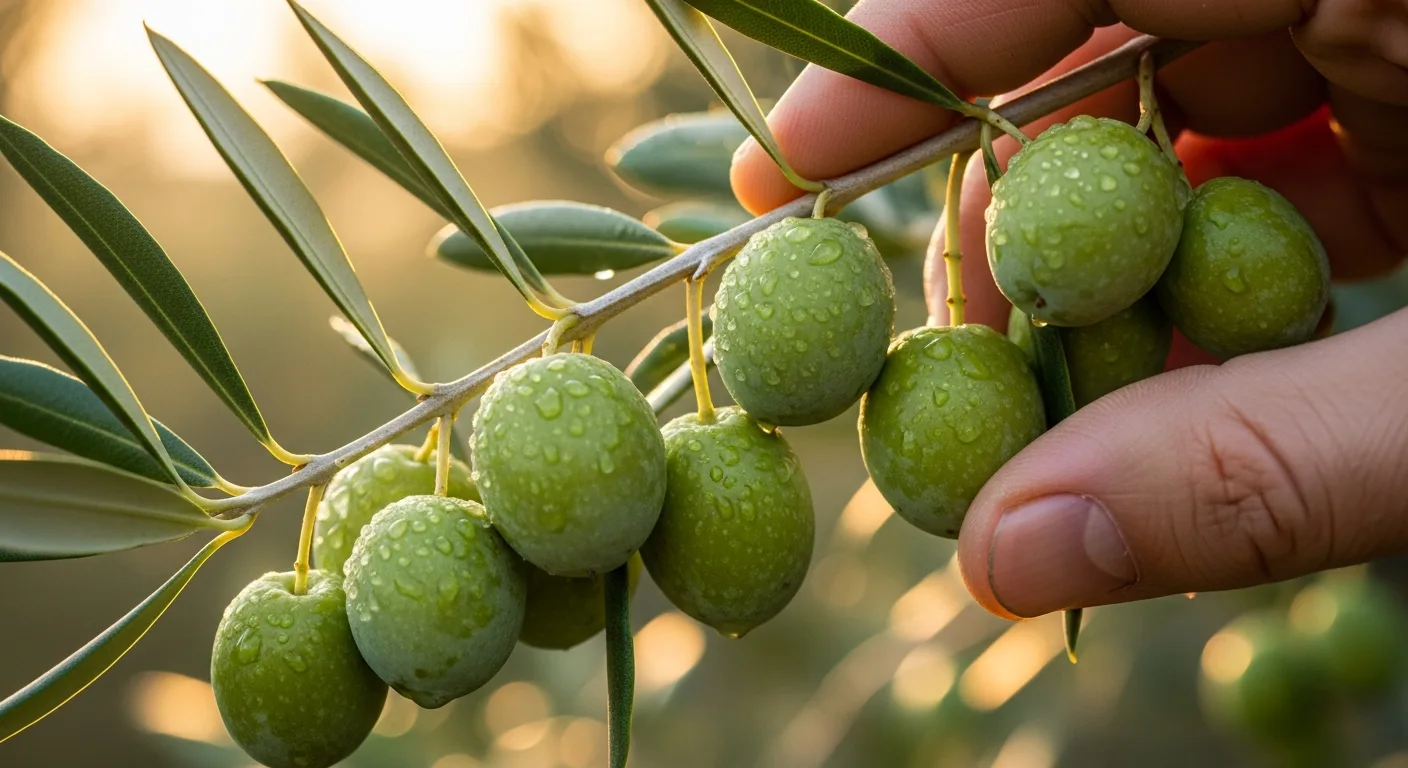
When people think of olive oil, they first think of healthy fats. However, the true distinction of extra virgin olive oil lies in its so-called minor constituents – a diverse group of bioactive substances that go far beyond simple fatty acid composition. These natural ingredients make up only a small fraction of the oil, yet they exert a remarkable effect on the human body. While refined cooking oils lose most of these valuable compounds during the manufacturing process, they remain almost entirely intact in cold-pressed extra virgin olive oil.
The most important minor constituents in olive oil include polyphenols, tocopherols (vitamin E), phytosterols, squalene, carotenoids, chlorophyll, and numerous flavor and aroma compounds. Each of these substance groups performs specific tasks – from protecting body cells against oxidative stress to lowering cholesterol levels and preventing chronic diseases. The European Food Safety Authority (EFSA) has officially recognized certain health claims for olive oil polyphenols. This shows that the effects of these minor constituents are scientifically well-founded.
Given the potential synergistic effects between all minor constituents as well as the favorable fatty acid composition, the positive effects of olive oil as a whole could be even greater than the sum of its individual ingredients. More and more scientists and nutrition experts therefore recommend the healthy Mediterranean diet, in which olive oil plays a paramount role in terms of both taste and nutritional physiology.
Polyphenols – the most important secondary plant compounds in olive oil
Polyphenols are considered the most significant group among the minor constituents in extra virgin olive oil. They are secondary plant compounds with strong antioxidant and anti-inflammatory effects. Depending on the variety, harvest time, and processing, extra virgin olive oil contains between 100 and over 700 milligrams of polyphenols per kilogram. Particularly polyphenol-rich varieties such as Coratina, Picual, and Koroneiki can even reach values of over 1,000 milligrams per kilogram – especially during early harvest when the olives are still green and unripe.
Hydroxytyrosol and Tyrosol
Hydroxytyrosol is one of the strongest natural antioxidants known. It protects human body cells from free radicals and oxidative stress. Together with tyrosol, it forms the basis of the phenolic compounds in olive oil. Hydroxytyrosol is produced from the breakdown of oleuropein during the ripening and storage of olives. The EFSA has approved an official health claim for this substance: olive oil polyphenols contribute to the protection of blood lipids from oxidative stress. The prerequisite is a daily intake of at least 5 milligrams of hydroxytyrosol and its derivatives from about 20 grams of olive oil.
Oleocanthal – natural anti-inflammatory
Oleocanthal is responsible for the characteristic scratchy sensation in the throat felt when tasting high-quality extra virgin olive oil. Its name is derived from Greek: oleo for oil, canth for stinging, and al for aldehyde. This substance inhibits the cyclooxygenase enzymes COX-1 and COX-2 in a similar way to the painkiller ibuprofen. About 50 grams of high-quality olive oil per day corresponds in its anti-inflammatory effect to approximately ten percent of a therapeutic ibuprofen dose.
The results of cancer research are particularly noteworthy: in laboratory studies, oleocanthal specifically destroys the lysosomes of tumor cells within 30 to 60 minutes, while healthy cells remain undamaged. Tumor cells have larger and more numerous lysosomes, making them more susceptible to this effect. Furthermore, oleocanthal blocks the formation of new blood vessels that tumors need for their supply. Clinical studies with patients suffering from chronic lymphocytic leukemia showed promising results with the intake of oleocanthal-rich olive oil.
Oleuropein – the bitter substance with multiple effects
Oleuropein is responsible for the bitter taste of unripe olives and fresh olive oil. It inhibits the inflammatory factor NF-κB, lowers blood sugar levels, and protects the insulin-producing beta cells of the pancreas. Research results also suggest that oleuropein can inhibit the aggregation of tau proteins in the brain – a process that plays a central role in Alzheimer’s. Although oleuropein itself does not cross the blood-brain barrier, its breakdown product hydroxytyrosol reaches the brain and exerts its protective effect there.
Tocopherols – Vitamin E as natural cell protection
Tocopherols, better known as vitamin E, are among the most important fat-soluble minor constituents in olive oil. Alpha-tocopherol is the predominant form and acts as a powerful antioxidant that protects cell membranes from oxidative damage. Extra virgin olive oil contains an average of 12 to 43 milligrams of alpha-tocopherol per 100 grams – a value that already covers a significant part of the daily requirement.
Vitamin E strengthens the immune system, promotes healthy skin and hair, and slows down the aging process of cells. It works synergistically with polyphenols: while the water-soluble polyphenols are active inside the cell, the fat-soluble vitamin E protects the cell membranes from the outside. Together, they form a double protective barrier against oxidative stress. The tocopherol content is highest in young, green olives and decreases with increasing maturity. Therefore, early harvest olive oils usually contain both more polyphenols and more vitamin E.
Squalene – hydrocarbon with protective function
Squalene is a triterpene hydrocarbon that occurs in remarkably high concentrations in extra virgin olive oil – between 0.8 and 13 grams per kilogram. No other vegetable cooking oil contains anywhere near as much squalene as olive oil. This substance is an important intermediate product of the body’s own cholesterol synthesis and is absorbed by the human organism at a rate of about 60 percent.
The health significance of squalene is diverse. It protects DNA, proteins, and lipids from oxidative stress and preserves the skin from UV-related damage. Numerous studies demonstrate a tumor-inhibiting effect: squalene inhibits HMG-CoA reductase activity, thereby reducing the activation of certain oncogenes. The high squalene content is considered one of the main factors for the cancer-risk-reducing effect of olive oil in the Mediterranean diet. In a typical Mediterranean diet with plenty of olive oil, daily squalene intake can be 200 to 400 milligrams – compared to an average of only 30 milligrams in a standard Western diet.
Phytosterols – natural cholesterol lowerers
Phytosterols, also known as plant sterols, are fat-like substances that occur in olive oil in concentrations of 0.15 to 0.37 percent. Their most important property is the ability to compete with ingested cholesterol for absorption in the intestine. This means: the more phytosterols are consumed through food, the less cholesterol enters the blood. This mechanism has been proven to lower LDL cholesterol levels and contributes to heart health.
Furthermore, phytosterols possess anti-inflammatory properties and can deactivate enzymes activated by UV radiation that attack collagen fibers in the skin. They soothe irritated skin and improve moisture retention. In combination with the squalene and polyphenols in olive oil, this creates comprehensive protection for the heart, blood vessels, and skin.
Carotenoids and chlorophyll – color as a quality feature
The characteristic color of extra virgin olive oil reveals a lot about its content of minor constituents. Greenish olive oil contains a lot of chlorophyll, while golden-yellow olive oil is rich in carotenoids. Both substance groups are valuable antioxidants with specific health effects.
Carotenoids are precursors for vitamin A synthesis. They have cell-regenerating and cell-activating effects, support vision, and stimulate cell division. Chlorophyll additionally contributes to the antioxidant effect and can support detoxification processes in the body. Fresh, young olive oil from early harvest contains particularly high amounts of both substances. With increasing storage time, the levels decrease, which is why the freshest possible olive oil should be preferred – ideally within 12 to 18 months after harvest.
Flavor and aroma compounds as quality indicators
The volatile aroma and flavor compounds in extra virgin olive oil are not only responsible for enjoyment but also serve as reliable indicators of quality and the content of minor constituents. A high-quality, polyphenol-rich olive oil can be recognized by its intense fruity taste, a pleasant bitterness, and a slight peppery sensation in the throat – the so-called oleocanthal sting.
The variety of aromas ranges from notes of freshly cut grass to green apple, artichoke, and tomato, through to almond and ripe fruits. Over 150 different olive tree varieties worldwide ensure a diversity of flavors that is in no way inferior to that of wine. Generally, the more intense and complex the aromas, the higher the content of protective minor constituents. In contrast, olive oils that are flat in taste and without bitterness or pungency contain significantly fewer of these valuable substances.
Synergies of ingredients – the interplay makes the difference
A crucial aspect of the minor constituents in olive oil is their interaction. The various bioactive substances reinforce each other’s health effects – scientists refer to this as synergistic effects. For example, oleocanthal and oleacein work together as strong anti-inflammatories, while oleic acid, as the main fatty acid, improves the absorption of fat-soluble polyphenols and tocopherols.
The APRIL study from 2023 impressively showed that high-polyphenol olive oil with 508 milligrams per kilogram significantly lowered inflammation markers and improved antioxidant status in people with obesity and prediabetes after just 30 days. In contrast, isolated polyphenol supplements in capsule form showed significantly weaker effects in comparative studies. The EFSA recognizes the health claim exclusively for olive oil, not for isolated extracts – a clear indication that the natural interplay of all minor constituents is what matters.
Extra virgin olive oil contains a total of over 36 different polyphenols, including tyrosol, oleacein, flavonoids, and lignans, which together with vitamin E, squalene, phytosterols, and carotenoids build multi-stage cell protection mechanisms. This complex network of protective substances makes olive oil a unique food that should not be missing from any healthy diet.
How to recognize olive oil with a high content of minor constituents
Not every olive oil contains the same amount of valuable minor constituents. Several factors determine the content of polyphenols, tocopherols, and other bioactive substances. Anyone wishing to benefit specifically from the health advantages should look for the following features:
The quality grade is crucial: only extra virgin olive oil contains the full wealth of minor constituents, as it is obtained exclusively through mechanical processes at temperatures below 27 degrees Celsius. Refined olive oils lose most of their polyphenols, tocopherols, and aroma compounds through industrial processing.
The harvest time also plays a central role. Olive oils from early harvest – i.e., from green, still unripe olives – contain significantly more polyphenols, vitamin E, and squalene than oils from fully ripe fruits. The variety additionally influences the polyphenol content: Coratina, Picual, Koroneiki, and the Ligurian Taggiasca olive are known for their particularly high polyphenol content.
In terms of taste, you can recognize polyphenol-rich olive oil by its intense green color, a bitter-fruity taste, and the typical sharp sting in the throat. These features are not defects, but quality characteristics and signs of a high content of health-promoting minor constituents. Visit our Facebook page for more information about high-quality olive oils.
Correct storage and use to protect minor constituents
The valuable minor constituents in olive oil are sensitive to light, heat, and oxygen. To preserve their content for as long as possible, the oil should be stored in a dark, cool place and always tightly sealed. Dark glass bottles or metal canisters offer the best protection against light-induced degradation of polyphenols and carotenoids. Once opened, extra virgin olive oil should ideally be consumed within three months.
For maximum absorption of the minor constituents, cold consumption is recommended – for example in salads, as a dressing, for refining soups, or plain on fresh bread. Although extra virgin olive oil can also be used for gentle frying at temperatures up to 180 degrees Celsius thanks to its stable fatty acid structure, high heat destroys some of the sensitive polyphenols and tocopherols. A tip from nutrition experts: use a simpler olive oil for frying and add the high-quality extra virgin olive oil to the food just before serving – this way all minor constituents are preserved.
The recommended daily intake is one to two tablespoons of high-quality extra virgin olive oil, which corresponds to about 20 to 30 milliliters. This amount is sufficient to fulfill the health claim recognized by the EFSA and to consume the valuable minor constituents in sufficient dosage.
Overview: The most important minor constituents in extra virgin olive oil
The following summary shows the most important non-fat components in extra virgin olive oil and their proven effects on health:
Polyphenols (hydroxytyrosol, oleocanthal, oleuropein, oleacein): Strongly antioxidant, anti-inflammatory, protect blood lipids from oxidation, have anti-cancer and neuroprotective effects. Content: 100 to over 1,000 milligrams per kilogram.
Tocopherols (Vitamin E): Fat-soluble antioxidant, protects cell membranes, strengthens the immune system, promotes healthy skin. Content: 12 to 43 milligrams per 100 grams.
Squalene: Protects DNA and lipids from oxidative stress, skin protection against UV radiation, tumor-inhibiting, strengthens the immune system. Content: 0.8 to 13 grams per kilogram.
Phytosterols: Lower LDL cholesterol levels, anti-inflammatory, skin protection. Content: 0.15 to 0.37 percent.
Carotenoids: Precursor of vitamin A, cell-regenerating, support vision. Give the oil its golden-yellow color.
Chlorophyll: Antioxidant, supports detoxification processes. Responsible for the green color of the oil.
Aroma compounds: Over 200 volatile compounds, quality indicator, responsible for flavor diversity.
Important questions and answers about minor constituents
The answers are based exclusively on the content of this article.
What are minor constituents in olive oil?
Minor constituents are bioactive substances contained in olive oil alongside fatty acids. These include polyphenols, tocopherols (vitamin E), phytosterols, squalene, carotenoids, chlorophyll, as well as flavor and aroma compounds. They make up only a small fraction of the oil, yet exert remarkable effects on the human body. In extra virgin olive oil, these valuable compounds remain almost entirely intact, as the oil is obtained exclusively through mechanical processes.
What role do polyphenols play in health?
Polyphenols are considered the most significant group of minor constituents in olive oil. They have strong antioxidant and anti-inflammatory effects. Hydroxytyrosol protects blood lipids from oxidative stress, oleocanthal inhibits inflammatory enzymes similarly to ibuprofen, and oleuropein lowers blood sugar levels. The EFSA has recognized an official health claim for olive oil polyphenols. Extra virgin olive oil contains between 100 and over 700 milligrams of polyphenols per kilogram, depending on the variety and harvest time.
What makes squalene in olive oil so special?
Squalene occurs in extra virgin olive oil in exceptionally high concentrations – between 0.8 and 13 grams per kilogram. No other vegetable cooking oil contains anywhere near as much. Squalene protects DNA, proteins, and lipids from oxidative stress, preserves the skin from UV damage, and shows tumor-inhibiting properties. In a Mediterranean diet with plenty of olive oil, daily squalene intake can be 200 to 400 milligrams.
Why is the harvest time crucial for the content of minor constituents?
Olive oils from early harvest – i.e., from green, still unripe olives – contain significantly more polyphenols, vitamin E, and squalene than oils from fully ripe fruits. As maturity increases, the levels of these valuable substances decrease. Carotenoids and chlorophyll are also present in higher amounts in young, fresh olive oil. Therefore, the freshest possible olive oil should be preferred, ideally within 12 to 18 months after harvest.
How do I recognize an olive oil with a high polyphenol content?
A polyphenol-rich olive oil can be recognized by its intense green color, a bitter-fruity taste, and the typical sharp sting in the throat – the oleocanthal sting. These features are not defects, but quality characteristics. Generally, the more intense and complex the aromas, the higher the content of protective minor constituents. Only first-grade extra virgin olive oil contains the full wealth of bioactive substances.
Why are isolated polyphenol capsules less effective than olive oil?
The various minor constituents in olive oil reinforce each other’s health effects. Scientists refer to this as synergistic effects. Oleic acid improves the absorption of fat-soluble polyphenols and tocopherols. Isolated polyphenol supplements show significantly weaker effects in comparative studies. Therefore, the EFSA recognizes the health claim exclusively for olive oil, not for isolated extracts.
How do I store olive oil to preserve the valuable ingredients?
The minor constituents in olive oil are sensitive to light, heat, and oxygen. Store the oil in a dark, cool place and always tightly sealed. Dark glass bottles or metal canisters offer the best protection. Once opened, the oil should be consumed within three months. For maximum absorption of the substances, cold consumption in salads, as a dressing, or on fresh bread is recommended.