A can of white beans, some vegetables, a slice of whole-grain bread, and a good olive oil: a Mediterranean-style lunch requires neither a holiday mood nor an elaborate meal plan. What matters less is a single recipe and more what regularly ends up on your plate.
The Mediterranean diet refers to an eating pattern, not a miracle cure or a rigid diet. If you want to start, you can change familiar dishes step by step. This guide shows you which building blocks are helpful, how to combine them in everyday life, and what research can actually tell us about health.
An Eating Pattern Instead of a List of Forbidden Foods
Cuisines around the Mediterranean are diverse. Common features of traditional eating patterns include plenty of vegetables, fruit, legumes, grains, nuts, and plant oils. Fish can be part of it; meat, especially processed meat, stays in the background. However, there is no single meal plan that everyone in the region follows.
A large pizza or a plate of white pasta does not become a balanced meal simply because of its origin. Conversely, a lentil stew with local vegetables or whole-grain bread with bean spread can fit well into a Mediterranean-oriented daily routine. You don’t need to buy expensive specialty ingredients for this.
Carbohydrates are also not fundamentally excluded. Whole-grain bread, oatmeal, potatoes, or whole-wheat pasta can have their place. More important than a label like “low carb” is the varied composition of the meals.
A Small Pantry for Many Dishes
Start with the plant-based basics: for example, keep lentils, chickpeas, or beans ready and supplement them with whole grains or potatoes. Legumes from a jar or can are practical when there is little time to cook. Pay attention to the ingredients and salt content; rinsing can remove some of the salt.
Vegetables and fruit can be seasonal and regional. Frozen vegetables without pre-made sauce are also a viable option. With onions, garlic, herbs, lemon, and a little oil, even simple ingredients can be seasoned in a variety of ways. Unsalted nuts can supplement your pantry, provided you tolerate them.
Depending on your diet, items like plain yogurt, eggs, or fish can be added. Eating Mediterranean does not mean needing fish every day. However, if you completely exclude food groups, you should pay attention to how you cover the relevant nutrients elsewhere.
Assemble a Meal from Simple Building Blocks
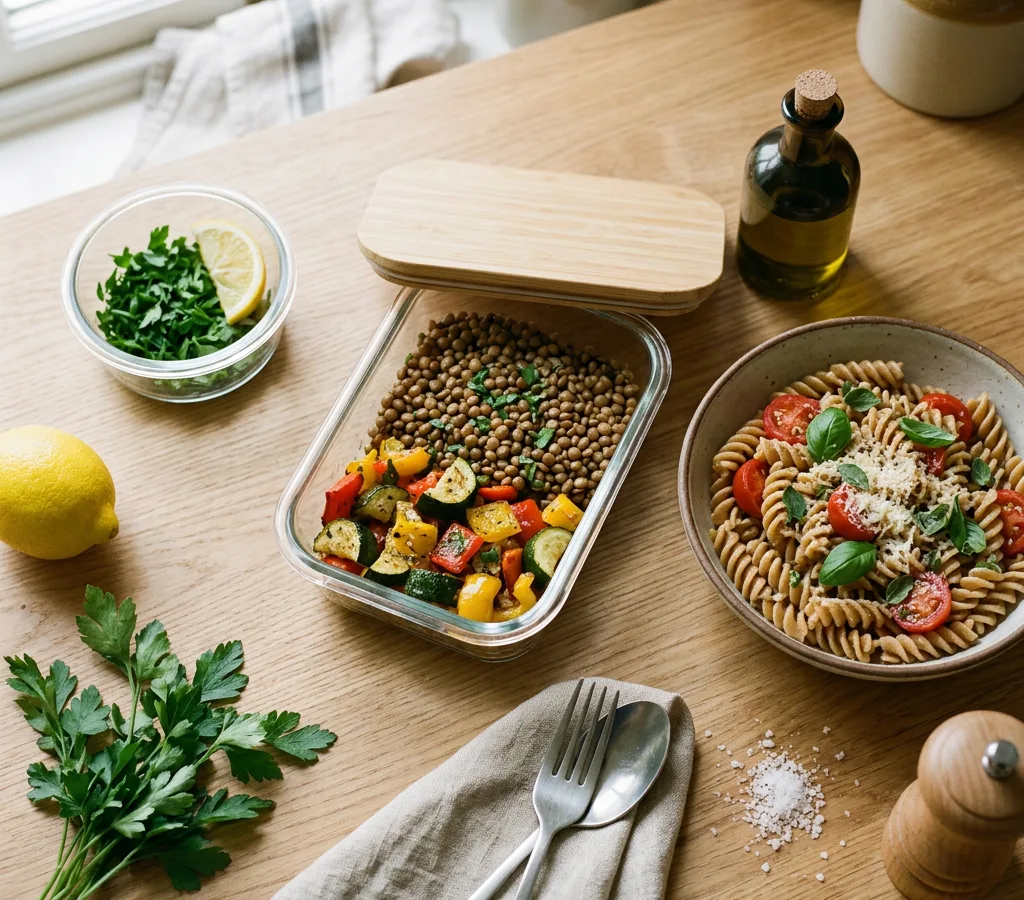
A practical everyday combination is vegetables plus a filling side dish plus a protein source. Think of roasted vegetables with potatoes and white beans, or a whole-wheat pasta salad with tomatoes and chickpeas. Herbs, lemon, and a suitable oil tie the ingredients together in terms of flavor.
A cold dinner can also be designed this way: whole-grain bread, a homemade lentil spread, and raw vegetables require no great cooking effort. A breakfast of oatmeal, plain yogurt, and fruit can also fit into this pattern. Not every meal has to look like an Italian restaurant dish.
These examples are ideas, not complete daily plans. Portion sizes and supplements depend, among other things, on your hunger, your activity, your life situation, and possible health requirements.
Use Olive Oil Mindfully – Don’t Just Add Extra
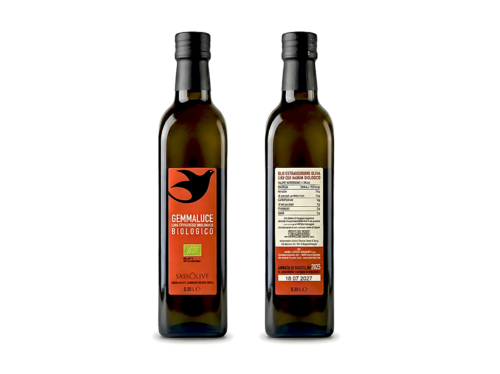
Olive oil is part of the flavor of many Mediterranean dishes and primarily provides monounsaturated fatty acids. It makes sense to look at your overall fat choice: plant oils can replace some of the fats that would otherwise come from butter or very high-fat sauces. Not every substitution automatically makes a dish balanced.
Olive oil is not the only suitable vegetable oil. Other oils, such as rapeseed oil, can also be useful depending on the use. For a dressing or for refining, choose an olive oil whose taste you like. A green color or a high price are not in themselves proof of a special health effect.
A blanket daily amount of oil for everyone cannot be derived from an eating pattern. Oil is energy-dense; it does not need to be taken additionally independent of meals. Extra virgin olive oil can also be used for cooking. Avoid overheating to the point of smoking.
How to Start Without Overhauling the Whole Kitchen
First, choose a familiar dish and change only one part. Add lentils to your tomato sauce, serve more vegetables with a bread-based meal, or replace part of the white pasta with a whole-grain variety. Repeatable small changes are often more practical for everyday life than a completely new weekly plan.
A second step is preparation: cook a suitable amount of legumes or vegetables and use them in different dishes. Lentils can become a warm plate with roasted vegetables one time, and a salad with herbs another time. Cool cooked leftovers quickly, store them cleanly in the refrigerator, and use them promptly.
For hectic days, a deliberately simple emergency supply helps: beans, strained tomatoes, whole-wheat pasta, and frozen vegetables are enough for many quick combinations. The plan should make your everyday life easier, not turn every meal into an additional project.
What the Studies Show – and Why It’s No Guarantee
Mediterranean eating patterns have long been studied, especially in connection with cardiovascular health. A well-known example is PREDIMED: in Spain, older adults with increased cardiovascular risk, but without existing cardiovascular disease at the start of the study, were followed for several years.
The evaluation republished in 2018 took into account problems with the original group assignment. In the groups with a Mediterranean diet, supplemented by extra virgin olive oil or nuts, fewer serious cardiovascular events occurred than in the control group with advice on fat reduction. A supervised eating pattern was studied, not the isolated effect of any random bottle of oil.
The results cannot be transferred to all people as a personal promise. Observational studies on other diseases also initially show correlations, not automatically cause and effect. The Mediterranean diet guarantees neither the prevention of cancer or dementia nor a specific weight loss and is not a substitute for medical treatment.
Fitness Requires More Than the Right Shopping List
A varied diet can be a foundation for an active everyday life. However, it replaces neither exercise nor training, sleep, or recovery. A particularly expensive oil does not automatically make you more efficient, and a Mediterranean-sounding dish does not reliably prevent muscle soreness.
Those who are physically active need, among other things, sufficient energy, fluids, and protein. How much depends on the person and the load. Legumes can contribute to the protein supply; depending on the diet, other sources are added. Specific athletic goals require more tailored planning than a general nutritional recommendation.
When it comes to weight, the overall picture also counts. Nuts and oil can be valuable components of a meal and at the same time provide a lot of energy. Selected ingredients alone do not automatically lead to weight loss. In the case of illnesses or special nutritional requirements, individually tailored advice is useful.
Enjoyment and Simple Habits Make the Difference
Above all, plan dishes that you really enjoy eating. Try different types of vegetables, vary herbs, and, if possible, take time for the meal. Eating together can be part of it, but it is not a prerequisite for eating a balanced diet.
Water is suitable as an everyday drink. Wine is not a necessary component of the Mediterranean diet and does not have to be added for supposed health reasons. Those who do not drink alcohol do not need to start.
You don’t have to cook perfectly every day or name your entire meal plan after a region. More plant diversity, good basic ingredients, and a routine that fits your life are a sensible start.
Frequently Asked Questions About Mediterranean Daily Life
Is the Mediterranean diet a diet for quick weight loss?
No. It describes an eating pattern, not a short-term weight loss cure. Whether weight changes depends, among other things, on total energy intake, exercise, and individual factors.
Do I have to eat fish every day for this?
No. Plant-based foods are the focus; fish can supplement the pattern. If you exclude food groups, you should ensure an appropriate supply of the relevant nutrients.
Are bread and pasta allowed?
Yes. Grain products can be part of it, preferably in whole-grain varieties. What matters is the combination of foods, appropriate portions, and the overall diet.
How much olive oil should I take every day?
There is no uniform amount for everyone here. Use oil appropriately for your meals and total energy needs, instead of dosing it additionally independent of food.
Is red wine a mandatory part of it?
No. Alcohol is not required. Those who do not drink should not start because of a Mediterranean diet; water is suitable as an everyday drink.
Can I use frozen vegetables and canned beans?
Yes. Such supplies can make implementation easier. Choose products that are as simple as possible, pay attention to additives and salt, and combine them in a variety of ways.
Does the Mediterranean diet guarantee protection against diseases?
No. Studies provide evidence regarding certain eating patterns and studied population groups, but no guarantee for an individual person. Medical treatment is not replaced by it.
Sources and Context
This guide provides general orientation for everyday life. The recommendations of the DGE (German Nutrition Society) are not to be equated with a single Mediterranean meal plan; they provide supplementary basics. For PREDIMED, the revised 2018 publication is used.
MedlinePlus: Overview of the Mediterranean Diet
German Nutrition Society: Eating and Drinking Well
PREDIMED: Revised Study on Primary Prevention, New England Journal of Medicine (2018)
Which oil goes with your food? Discover our guide to the taste of olive oil.
{“@context”:”https://schema.org”,”@type”:”FAQPage”,”inLanguage”:”de”,”url”:”https://www.organicfarming-italy.com/mittelmeerkost-fitness-gesundheit/”,”mainEntity”:[{“@type”:”Question”,”name”:”Ist Mittelmeerkost eine Diät zum schnellen Abnehmen?”,”acceptedAnswer”:{“@type”:”Answer”,”text”:”Nein. Sie beschreibt ein Ernährungsmuster, keine kurzfristige Abnehmkur. Ob sich das Gewicht verändert, hängt unter anderem von der gesamten Energiezufuhr, Bewegung und individuellen Faktoren ab.”}},{“@type”:”Question”,”name”:”Muss ich dafür täglich Fisch essen?”,”acceptedAnswer”:{“@type”:”Answer”,”text”:”Nein. Pflanzliche Lebensmittel stehen im Mittelpunkt; Fisch kann das Muster ergänzen. Wenn Du Lebensmittelgruppen ausschließt, solltest Du auf eine passende Versorgung mit den betreffenden Nährstoffen achten.”}},{“@type”:”Question”,”name”:”Sind Brot und Nudeln erlaubt?”,”acceptedAnswer”:{“@type”:”Answer”,”text”:”Ja. Getreideprodukte können dazugehören, bevorzugt auch in Vollkornvarianten. Entscheidend sind die Kombination der Lebensmittel, passende Portionen und die gesamte Ernährung.”}},{“@type”:”Question”,”name”:”Wie viel Olivenöl soll ich jeden Tag nehmen?”,”acceptedAnswer”:{“@type”:”Answer”,”text”:”Es gibt hier keine einheitliche Menge für alle. Verwende Öl passend zu Deinen Mahlzeiten und zum gesamten Energiebedarf, statt es unabhängig vom Essen zusätzlich zu dosieren.”}},{“@type”:”Question”,”name”:”Gehört Rotwein zwingend dazu?”,”acceptedAnswer”:{“@type”:”Answer”,”text”:”Nein. Alkohol ist nicht erforderlich. Wer nicht trinkt, sollte nicht wegen einer mediterranen Ernährung damit anfangen; Wasser eignet sich als Alltagsgetränk.”}},{“@type”:”Question”,”name”:”Kann ich Tiefkühlgemüse und Bohnen aus der Dose verwenden?”,”acceptedAnswer”:{“@type”:”Answer”,”text”:”Ja. Solche Vorräte können die Umsetzung erleichtern. Wähle möglichst einfache Produkte, achte auf Zusätze und Salz und kombiniere sie abwechslungsreich.”}},{“@type”:”Question”,”name”:”Garantiert Mittelmeerkost Schutz vor Erkrankungen?”,”acceptedAnswer”:{“@type”:”Answer”,”text”:”Nein. Studien liefern Hinweise zu bestimmten Ernährungsmustern und untersuchten Bevölkerungsgruppen, aber keine Garantie für eine einzelne Person. Medizinische Behandlung wird dadurch nicht ersetzt.”}}]}