Homemade gnocchi – original Italian recipe
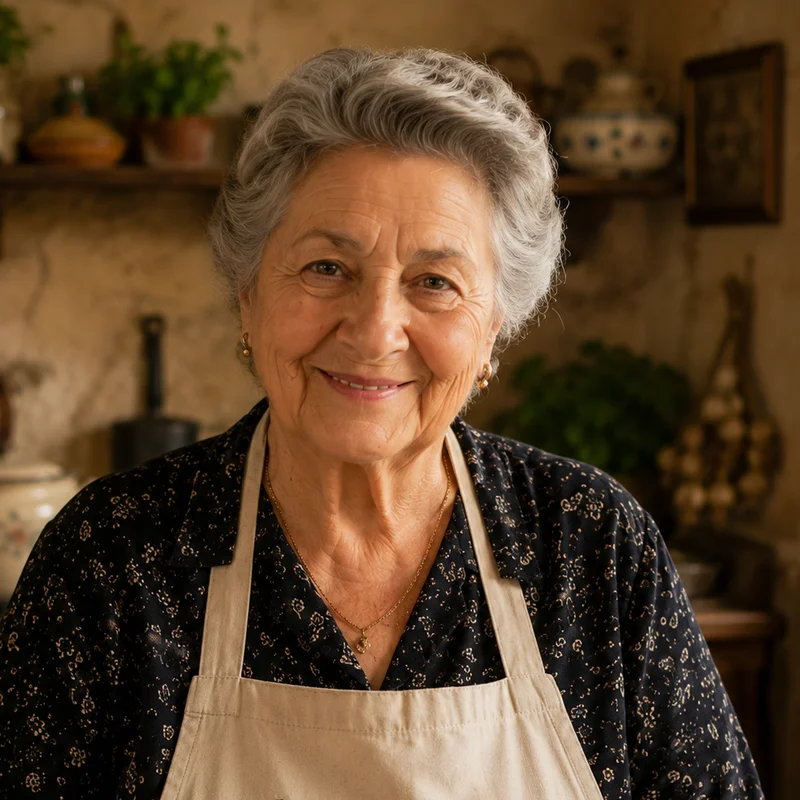
A recipe by Signora Emilia from our Cucina della Nonna series.
Making your own gnocchi brings a piece of Italian family cooking into your home: small, tender potato gnocchi with fine ridges, soft on the outside and light on the inside. Freshly prepared gnocchi di patate taste completely different from many packaged products. Their true strength lies in their simplicity. A few ingredients and a bit of intuition are enough to bring a wonderful Italian dish to the table.
With our homemade gnocchi recipe, you will succeed with this classic step-by-step: from selecting floury potatoes to the right dough and the typical ridges. We form small gnocchi of about two centimeters, which pair well with the sauce.
Signora Emilia explains why it is better to cook the potatoes with their skins on, why too much flour makes the dough heavy, and how to serve the finished gnocchi with a simple sage butter or another Italian sauce.
Table of Contents
- What are original Italian gnocchi?
- Recipe at a glance
- Ingredients for potato gnocchi
- The right potato variety
- Making gnocchi – step-by-step
- How the typical ridges are created
- Cooking gnocchi correctly
- Serving with sage butter
- Avoiding the most common mistakes
- Variations, preparation, and freezing
- Frequently asked questions about gnocchi
- The right organic olive oil
What are original Italian gnocchi?
Gnocchi (pronounced approximately “nyoh-kee”) are small Italian dumplings. There are various regional types. The most famous version consists of potatoes and is called gnocchi di patate. Unlike classic pasta based on durum wheat semolina, it relies on the potato flavor and a tender consistency.
Traditional potato gnocchi are small and usually shaped slightly oval. Using a fork or a ridged wooden board, characteristic fine ridges are created on one side, and often a small indentation on the back. Both help to hold the sauce.
Gnocchi alla romana made from durum wheat semolina or ricotta gnocchi are other specialties. Our gnocchi recipe deliberately focuses on classic potato gnocchi from Italian family kitchens. Once you learn how to make gnocchi yourself, you can choose the sauce according to your taste.
Homemade gnocchi: the recipe at a glance
| Cuisine | Italian |
| Recipe | Gnocchi di patate – potato gnocchi |
| Quantity | 4 main course servings |
| Preparation time | approx. 35–40 minutes of active work |
| Cooking potatoes | approx. 25–40 minutes |
| Cooking gnocchi | approx. 2–4 minutes per portion |
| Total duration | approx. 75–90 minutes |
| Size | approx. 2 cm long, ridged gnocchi |
| Difficulty | easy to medium |
| Special feature | little flour, light dough, tender consistency |
Homemade gnocchi: the ingredients
If you want to make gnocchi yourself, you only need a few ingredients for four servings. The exact amount of flour depends on the potato variety and the moisture content. Start with the smaller amount and only add more if you cannot form the dough otherwise.
For the potato dough
| Floury potatoes (unpeeled) | 1 kg |
| Wheat flour Tipo 00 or All-purpose flour | 200–250 g, plus some for dusting |
| Egg size M | 1 piece (optional, for better binding) |
| Fine salt | approx. 1 tsp |
| Freshly grated nutmeg | optional, a pinch |
For gnocchi with sage butter
| Butter | 60 g |
| Fresh sage leaves | 8–12 pieces |
| Parmigiano Reggiano, finely grated | 40–50 g |
| Black pepper | to taste |
Important: Traditionally, potato gnocchi are made both with and without egg. An egg makes binding easier, especially for beginners. They also succeed without egg if you use dry, floury potatoes and work the dough only briefly.
Homemade gnocchi: Which potatoes are suitable?
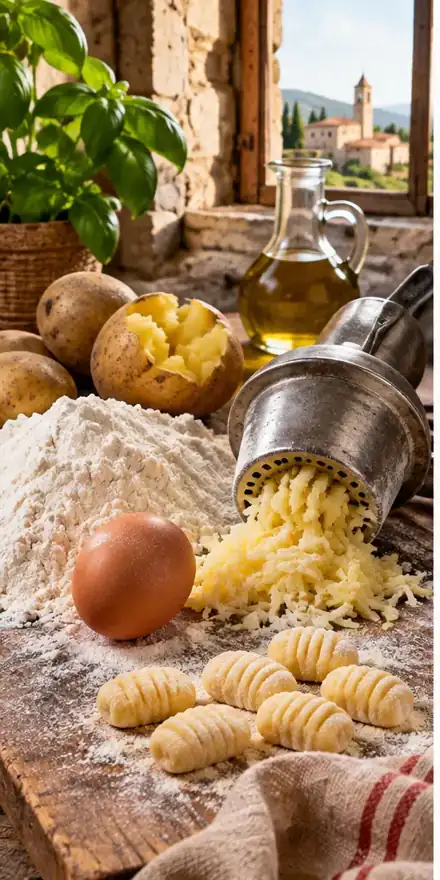
The best basis is floury, high-starch potatoes. They contain relatively little moisture and can be easily pressed through a potato ricer after cooking. Watery, very young, or waxy potatoes often require more flour, which makes gnocchi firmer.
Cook the potatoes whole and with their skins on if possible, as peeled pieces absorb more water during cooking. Then press the still-warm potatoes through a potato ricer. Please do not use a hand blender: it can make the mass sticky and gummy.
Signora Emilia’s tip: Let the pressed potatoes steam off briefly on the work surface. The drier the mass, the less flour you need – and the more tender your homemade gnocchi will be.
You can also find further tips on potato selection, dough, and preparation in the Potato Gnocchi Basic Recipe from GialloZafferano (English).
Homemade gnocchi – step-by-step
Step 1: Cook potatoes with skins on
Wash 1 kg of potatoes and place them unpeeled in a pot with cold, lightly salted water. Cook them for about 25–40 minutes, depending on size, until a knife can be inserted without resistance. The potatoes should be cooked through but not falling apart.
Step 2: Peel and press potatoes
Drain the water and peel the potatoes while they are still warm. Immediately press them through a potato ricer and spread the mass loosely on a clean work surface. Let the steam escape for a few minutes. This makes the dough less moist.
Step 3: Carefully add flour, salt, and egg
First, sprinkle about 200 g of flour and the salt over the lukewarm potatoes. For the version with egg, add one medium-sized egg. Mix the ingredients with your hands or a dough scraper only until they just combine.
Step 4: Form a soft dough
Bring the mass together into a soft dough. It may remain slightly sticky but should be formable with floured hands. If necessary, work in some of the remaining flour. Do not knead for a long time like bread dough – otherwise the gnocchi will become tough later.
Step 5: Make thin dough rolls
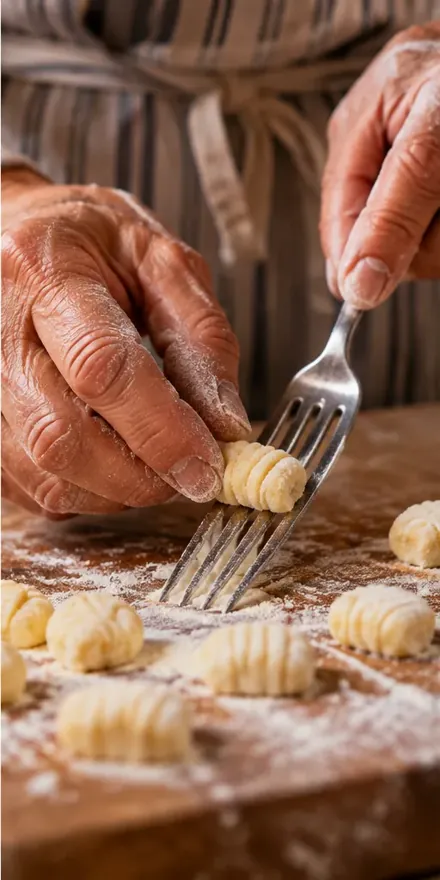
Divide the dough into several pieces and roll each piece on a lightly floured surface into a roll about 1.5–2 cm thick. Work without heavy pressure. The result can look a little irregular – that is exactly what makes handmade gnocchi special.
Step 6: Cut small potato gnocchi
Cut the rolls with a dough scraper or a knife into pieces about 2 cm long. This small, classic shape is important: the gnocchi should be tender potato pillows, not large dumplings. Dust them only very thinly with flour.
Step 7: Press in the typical ridges
Roll each small piece with light pressure over a ridged gnocchi board or the tines of a fork. This creates fine ridges and a small indentation. Place the finished gnocchi with some space between them on a floured board. Shape them quickly so the dough does not become too moist.
Homemade gnocchi: How to achieve the fine ridges
The ridges are not just decorative. They help the sauce adhere later, and the small indentation on the back can also hold sauce. They turn out especially beautiful with a traditional wooden board, the rigagnocchi.
If you don’t have one, a normal dinner fork is sufficient. Roll the small pieces gently over the tines and do not press them completely flat. The gnocchi should remain light and keep their oval shape. You can also cook them without ridges if you prefer.
Cooking gnocchi correctly: When are they ready?
Step 8: Bring salted water to a simmer
Bring plenty of water to a boil in a large pot and salt it. Then reduce the heat so that it only simmers gently. A wildly boiling pot can damage particularly tender potato gnocchi.
Step 9: Cook in small portions
Add the gnocchi to the water in portions and carefully loosen them from the bottom if necessary. When they rise to the surface, let them simmer for another 20–40 seconds depending on their size. Overall, this usually takes only 2–4 minutes. Test one piece during the first batch.
Step 10: Lift out and serve immediately
Lift the gnocchi out of the water with a slotted spoon and add them directly to the prepared sauce. Toss them carefully so they do not break apart. A little cooking water helps to smoothly combine the sauce and gnocchi.
Make gnocchi yourself and serve with sage butter
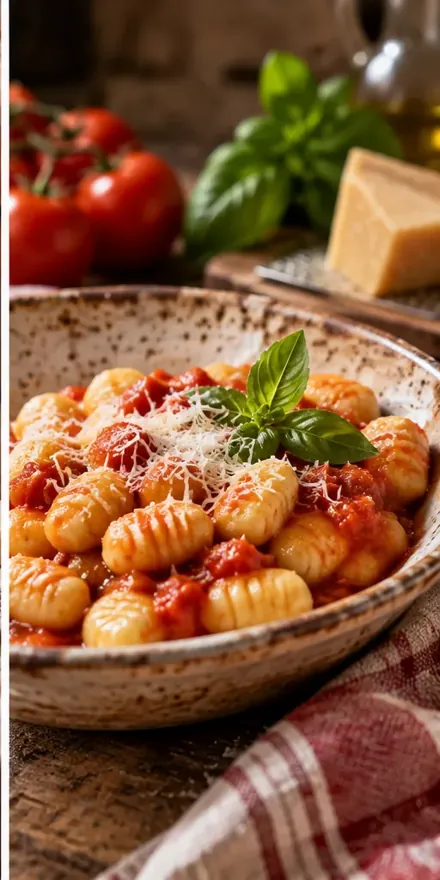
Freshly made potato gnocchi go particularly well with burro e salvia, or sage butter. This simple sauce does not overpower the delicate potato flavor. Melt 60 g of butter in a wide pan and add the fresh sage leaves.
Let the sage become aromatic briefly without burning it. Toss the freshly cooked gnocchi in the butter and add a small splash of cooking water if needed. Serve with freshly grated Parmigiano Reggiano and some black pepper.
Would you like to try another sauce? Then use a simple tomato sauce, Pesto Genovese, or good extra virgin olive oil with fresh herbs. For a purely plant-based version, omit the egg and cheese and choose tomato sauce or a herb sauce with olive oil.
Seven common mistakes when making gnocchi
1. Potatoes too moist
Cook the potatoes with their skins on and let the pressed mass steam off briefly. The drier it is, the less flour you need.
2. Using waxy potatoes
Floury potatoes are easier to process and often result in a light, tender structure.
3. Pureeing the potato mass
A hand blender can make the mass paste-like. A potato ricer or food mill is much better.
4. Incorporating too much flour
If you use too much flour, the gnocchi will become firm. Start with about 200 g per kilogram of potatoes and only add more as needed.
5. Kneading long and vigorously
Unlike bread dough, potato dough should not be kneaded until elastic. Just bring it together briefly.
6. Forming gnocchi too large
Classic gnocchi are small: about two centimeters long. Very large pieces of dough do not suit the typical preparation as well.
7. Water boiling too vigorously
Cook gnocchi with gentle movement in the water. As soon as they float to the top, let them simmer briefly and lift them out carefully.
Making gnocchi: preparation and freezing
Can I prepare gnocchi the day before?
Raw gnocchi should not sit at room temperature for long, as they can become soft and sticky. If you want to prepare them in advance, freezing is usually the better solution. This way, each individual piece keeps its shape.
Freezing gnocchi correctly
Place the uncooked gnocchi with space between them on a lightly floured board and freeze them individually first. Afterwards, you can transfer them to freezer bags or containers. Add frozen gnocchi directly to the lightly simmering water – thawing is not necessary.
Gnocchi without egg
Many Italian families omit the egg in potato gnocchi. The key then is particularly dry potatoes and a sparing amount of flour. Cook a single test gnocchi first: if it falls apart, the dough may need a little more flour.
With tomato sauce, pesto, or cheese
Tender potato gnocchi pair well with many sauces: a light tomato sauce, fresh pesto, a simple sage butter, or a vegetarian herb sauce with olive oil. Especially for the first attempt, Signora Emilia recommends a subtle accompaniment.
Frequently Asked Questions: Homemade gnocchi
You can find the answers right here in the clear, expandable FAQ section. This way, you don’t have to scroll through an endless list.
Which potatoes are suitable for gnocchi?
Floury, high-starch potatoes are best. They usually contain less moisture than waxy varieties and therefore require less flour.
How much flour is needed for one kilogram of potatoes?
Start with about 200 g of flour per 1 kg of potatoes and only add more if necessary, up to about 250 g. The actual requirement depends on the moisture of the potatoes.
Does egg belong in original Italian gnocchi?
Not necessarily. Traditional potato gnocchi are prepared both with and without egg. An egg can make binding the dough easier for beginners.
How big should classic gnocchi be?
Classic Italian potato gnocchi are small, oval pieces of dough about two centimeters long. They often have fine ridges.
How do I get ridges on my gnocchi?
Roll each small piece of dough with light pressure over a ridged wooden board or the tines of a fork. The ridges help to hold the sauce.
How long do homemade gnocchi need to cook?
Small gnocchi usually take about two to four minutes in gently simmering salted water. Once they rise to the surface, let them sit for a moment.
Why are my gnocchi turning out hard?
Common reasons are too much flour, kneading for too long, or using potatoes that are too moist. Work with floury potatoes and handle the dough gently.
Why are my gnocchi falling apart during cooking?
The dough might be too moist or not sufficiently bound. Cook a test gnocchi and add a little flour if necessary; avoid vigorously boiling water.
Can you freeze fresh gnocchi?
Yes. First, place the uncooked gnocchi individually on a board and flash-freeze them. After that, you can transfer them to a container and later cook them directly from frozen.
Which sauce goes best with potato gnocchi?
Sage butter with Parmigiano Reggiano, a simple tomato sauce, Pesto Genovese, or a light herb and olive oil sauce pair very well.
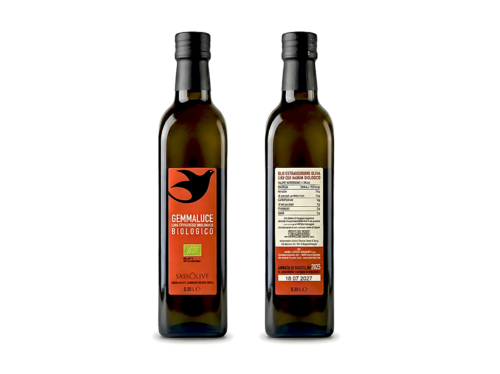
The right organic olive oil from Liguria
Premium Organic Extra Virgin Olive Oil 2026
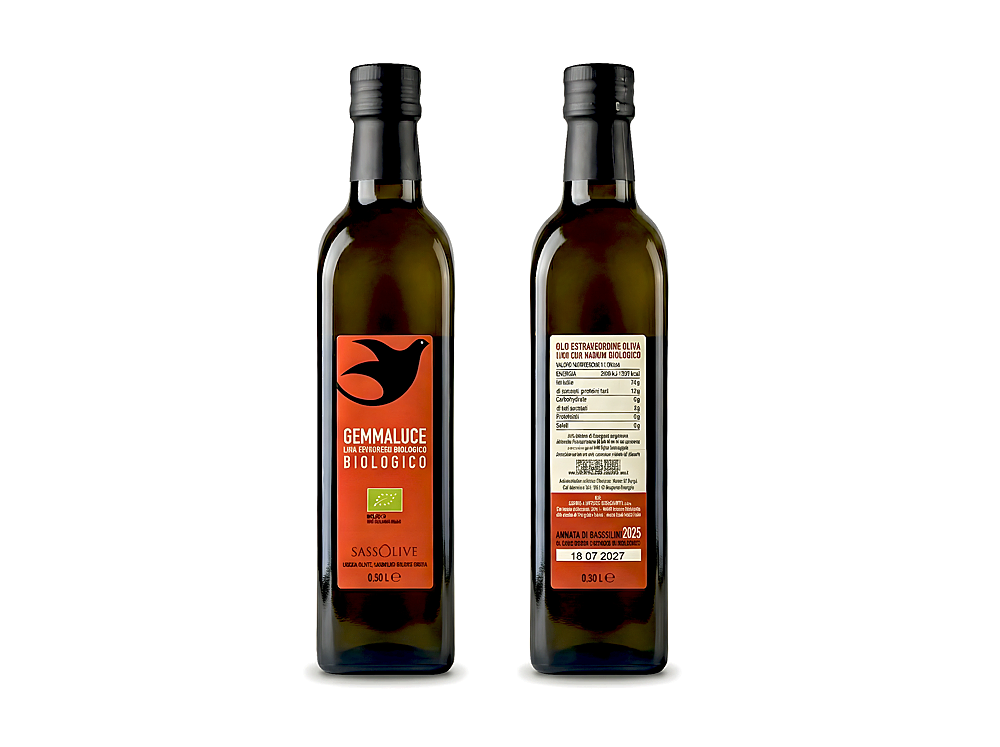
Classic potato gnocchi dough usually does not contain olive oil. However, for a light tomato sauce, fresh pesto, or a plant-based herb sauce, our organic extra virgin olive oil 2026 is a wonderful addition.
Discover our organic olive oil from Liguria and bring Mediterranean aroma to your kitchen – also for fresh bread, antipasti, and vegetables.
Buon appetito – gnocchi just like Nonna’s
Making your own gnocchi is easier than many think. The keys are the right potatoes, a dough that is only briefly worked, and small gnocchi with fine ridges. Then you get tender potato dumplings that harmonize with any good Italian sauce.
Would you like to try more original Italian recipes? Discover our Focaccia Genovese, Pesto Genovese, and Tiramisu without cream.
Have you tried the gnocchi recipe? Write to us in the comments below how your gnocchi turned out and which sauce you prefer to serve with them.