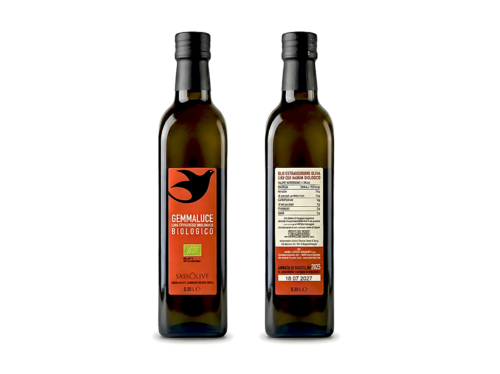
Roasted vegetables, a pan of beans or a quick tomato sauce: cooking with olive oil does not require special equipment. Choosing a suitable flavour and keeping the heat under control matter more. This guide follows the decisions involved in an ordinary evening meal, from choosing a bottle to adding the finishing touches.
Decide what you want the oil to contribute
Should the oil stand out or quietly bring the ingredients together? A gentle, fruity oil works well with delicate vegetables. Beans, mushrooms and a rich tomato sauce can take a more pronounced flavour. Extra virgin olive oil can be used for cooking too. You might reserve a particularly expressive bottle for finishing dishes, but that is a choice about taste and budget rather than a requirement.
Start with a tray of vegetables
For two servings, cut roughly 600 grams of vegetables into pieces of similar size. Potatoes need smaller pieces or a head start, while courgettes and peppers cook more quickly. Toss the vegetables in a bowl with around two tablespoons of olive oil and spread them loosely over a tray. Roast at approximately 190°C in a conventional oven until tender and coloured, usually about 25 to 40 minutes depending on the vegetables. Turn them during cooking and judge the result rather than relying only on the clock.
The oven setting is not necessarily the temperature of oil on moist food. Surface conditions, cooking time and water content all matter. Even so, visible smoke is a reason to reduce the heat. Very dark, dry edges also suggest adjusting the temperature or cooking time.
Give a frying pan room to work
An overcrowded pan collects moisture, so ingredients soften instead of browning. Cook larger quantities in batches. For a simple bean dish, soften chopped onion in a little olive oil over medium heat, then add cooked beans and tomatoes. A splash of water loosens the browned residue before a short simmer brings the dish together.
Add chopped garlic later than onion: small pieces can quickly become dark and bitter. The highest hob setting is rarely the most useful default. Pan material, quantity and the hob itself affect the result. Taste a small piece to decide whether the ingredients are ready.
Keep high heat under control
Do not leave oil heating unattended in an empty pan. If it starts smoking, switch off the heat and let the vessel cool carefully. Never pour water into hot oil. For deep frying, a kitchen thermometer helps maintain the temperature specified in the recipe. Use a suitable vessel or appliance and follow its instructions. A smoke point is not a cooking target.
There is no single useful maximum temperature for every bottle and situation. Oil condition, free fatty acids and the combined effects of heating time and temperature influence its behaviour. Fresh oil, sensible storage and controlled cooking are more useful everyday habits than chasing the highest possible heat.
Taste before adding the finishing oil
Try the food before pouring over more oil. A small fresh drizzle can bring out fruitiness; if the dish needs brightness instead, lemon juice may be more helpful. Parsley, basil or lemon zest can also change the balance. This makes finishing a deliberate decision rather than an automatic extra serving of oil.
Look after the bottle you cook with
Close the bottle after use and return it to a dark cupboard away from the cooker. A small, accessible bottle is convenient if you use it regularly. Keep a larger container cool, dark and tightly closed. Heating does not make rancid oil fresh again; an unpleasant stale-nut smell is a reason to replace it.
Frequently asked questions
Do I need refined olive oil for cooking?
No. Extra virgin olive oil works in many cooked dishes. Choose according to flavour and preparation, and avoid overheating.
Why are my roasted vegetables soft despite the oil?
Crowding, excess moisture or uneven pieces are common causes. More space and evenly sized pieces often help more than additional oil.
Is the oven setting the same as the temperature of the oil?
No. Moisture and surface conditions affect the temperature at the food. Still watch the cooking and reduce the heat if smoke appears.
What should I do if the oil smokes?
Switch off the heat and let the vessel cool carefully. Do not add water to hot oil. Replace overheated oil with fresh oil.
When should I add olive oil after cooking?
When you want its fresh aroma to stand out. Taste the finished dish first and add a small amount if needed.
Sources and further reading
International Olive Council – Olive oil and gastronomy
You can adopt your own olive tree and experience firsthand everything involved in growing olives: Discover olive tree adoption
Follow our community on Facebook and learn more about sustainable olive farming in Liguria: Organic Farming Italy on Facebook