Minestrone alla Nonna – Italy’s Most Honest Soup
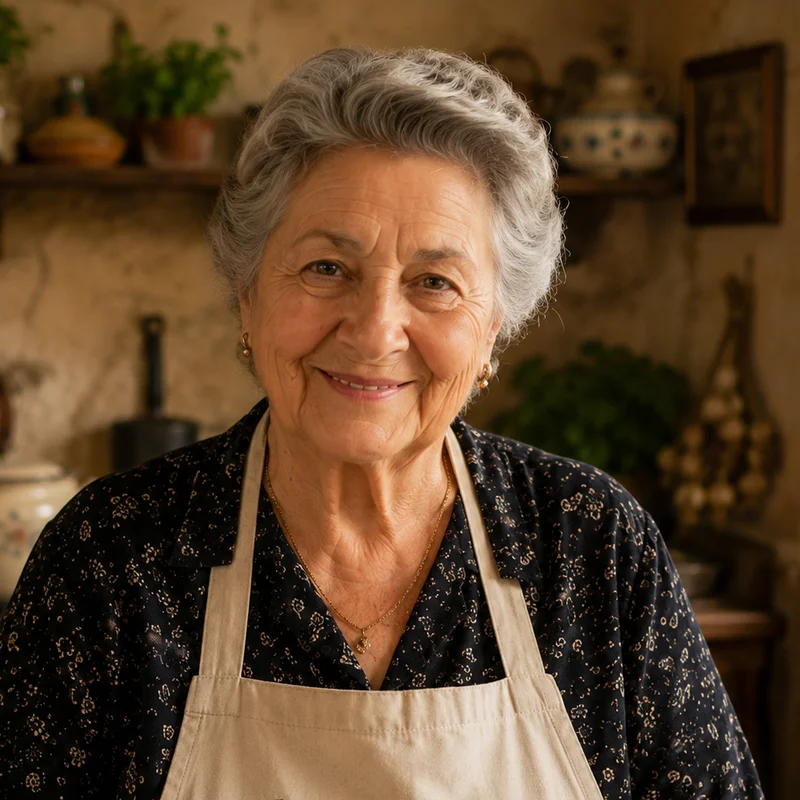
In Italy, there is hardly a dish that tastes more like home than an authentic Minestrone alla Nonna. A soup that has nothing to prove. No expensive ingredients, no complicated technique – just ripe vegetables, beans, a little pasta, good olive oil, and enough time. This is how Nonna has cooked it in Italy for generations, and that is how it should remain.
In this Minestrone recipe, I will show you how an Italian vegetable soup truly succeeds: full-bodied, creamy without cream, with depth of flavor and just the right amount of heartiness. Anyone who has eaten homemade Minestrone understands why it is part of the permanent repertoire in every Italian family.
The History of Minestrone – From Peasant Soup to Classic
The roots of Minestrone reach back to Roman antiquity. Over 2,000 years ago, the Romans cooked simple stews from legumes, onions, garlic, and whatever the garden and field provided. The word minestrone itself is an augmentative form of minestra – “soup” – and means something like “big soup.” That is exactly what it is: not a delicate broth, but a hearty meal for the whole family.
In the 15th and 16th centuries, new ingredients came into Italian cuisine with the discovery of the Americas: tomatoes, potatoes, corn, and especially beans from the New World revolutionized Minestrone. Previously, cooks had worked with fava beans, lentils, and chickpeas – with white cannellini beans and speckled borlotti from South America, the recipe reached its present form. The Minestrone alla Nonna as we know it is therefore a good example of how Italian cuisine has evolved over centuries – always using what the region and season offered.
Until the 20th century, Minestrone was the daily lunch of many Italian families, especially in the countryside. It belonged to cucina povera, the “cuisine of the poor,” which today is celebrated worldwide as the epitome of healthy and sustainable eating. Little meat, plenty of vegetables, legumes as a protein source, and extra virgin olive oil as the main source of fat – what we celebrate today as the Mediterranean diet was simply normal home cooking for the Nonnas.
What Makes an Authentic Minestrone alla Nonna
The Minestrone is the classic example of cucina povera – the simple cuisine of Italian farmers. What is used comes from the garden and pantry: seasonal vegetables, dried beans, a handful of short pasta, fresh herbs, and extra virgin olive oil. An authentic Minestrone alla Nonna is recognized by the following characteristics:
- At least seven different types of vegetables – carrots, celery, zucchini, green beans, tomatoes, potatoes, chard, or spinach
- Cannellini or borlotti beans – soak the dried beans the day before; this gives the soup creaminess
- Short pasta such as ditalini or rice – cooked in the soup at the end
- Soffritto as the base – onion, carrot, and celery sautéed in olive oil
- Extra virgin olive oil – both for sautéing and fresh for serving
- Parmesan rind cooked in – Nonna’s secret for depth and umami
What Minestrone does not need: bouillon cubes, cream, or roux. The creaminess comes from the beans and the starch of the pasta. Flavor develops through slow simmering – not from a packet.
Which Beans for Minestrone?
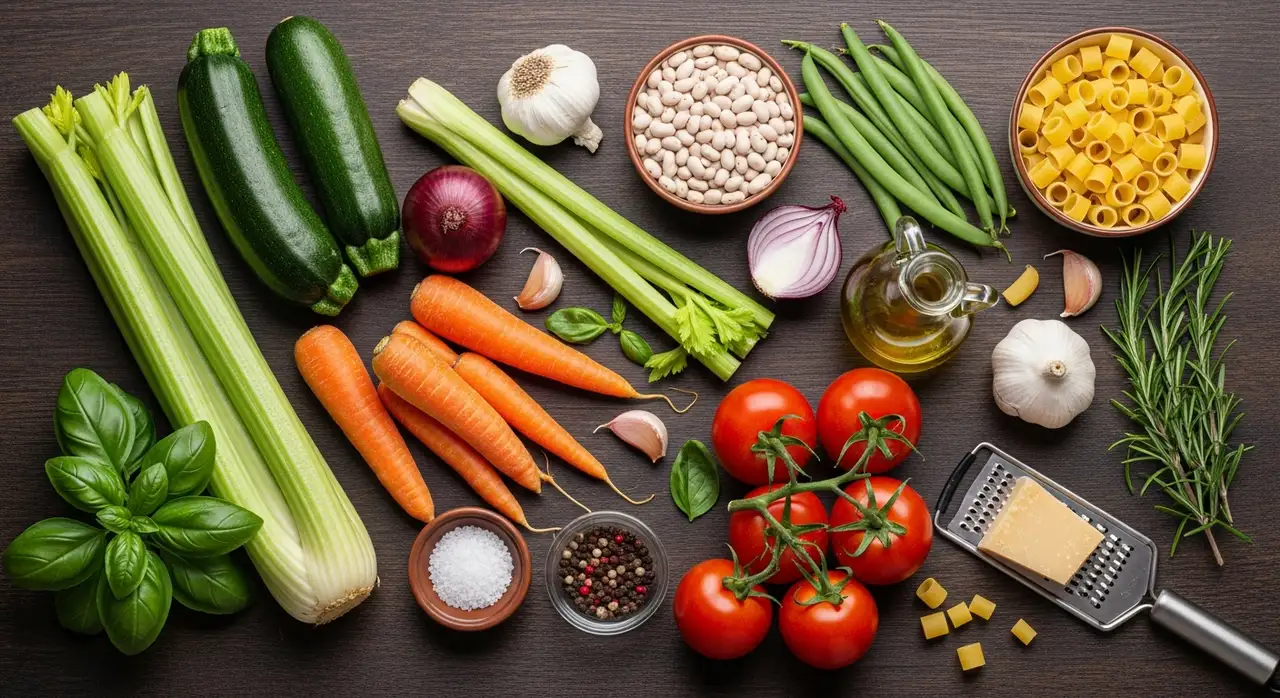
Cannellini beans are the classic choice: white, creamy, and with a delicate texture. Alternatively, borlotti beans also work – they have a slightly stronger flavor and give the Minestrone a beautiful darker color. If you do not have time to soak, you can use jarred beans. Rinse well, drain, and add to the Italian vegetable soup only in the last 15 minutes.
Ingredients for Minestrone alla Nonna
For 4–6 servings:
| Ingredient | Quantity |
|---|---|
| Cannellini beans (dried) | 200 g (soaked overnight) |
| Carrots | 2 medium |
| Celery stalks | 2 |
| Zucchini | 1 medium |
| Green beans | 150 g |
| Tomatoes (ripe) or canned diced tomatoes | 400 g |
| Potato | 1 medium |
| Red onion | 1 |
| Garlic cloves | 2 |
| Ditalini pasta (or other short pasta) | 120 g |
| Parmesan rind | 1 piece (approx. 30 g) |
| Extra virgin olive oil | 5 tbsp + for serving |
| Fresh basil | 1 bunch |
| Rosemary | 1 sprig |
| Salt, black pepper | to taste |
| Water | approx. 2 L |
Tip from Nonna: If you do not have a Parmesan rind left over, add a tablespoon of white miso paste or a splash of soy sauce – this replaces the umami in an unusual but effective way. Purists may forgive me for this (or not).
Minestrone Recipe – Step by Step
A good Minestrone alla Nonna takes time, but requires little attention. While it simmers on the stove, you can set the table, pour a glass of wine, or simply enjoy the aroma spreading through the kitchen. Here is how to proceed:
Step 1: Prepare the Beans
Drain the soaked beans, cover with fresh water, and simmer for about 45–60 minutes until tender. Only add salt at the end – otherwise they will become hard. Reserve the cooking water; it will be used later as the soup base.
Step 2: Sauté the Soffritto
Finely dice the onion, garlic, one carrot, and one celery stalk. In a large pot, heat 4 tbsp extra virgin olive oil and gently sauté the vegetables for about 8 minutes until everything is translucent and fragrant. Do not let it brown – this is the Italian foundation of every good soup recipe.
Step 3: Add the Remaining Vegetables
Dice the remaining carrot, celery, potato, and zucchini. Cut the green beans into 2 cm pieces. Add everything to the pot and toss briefly. Add the tomatoes, sauté briefly, then add the bean cooking water and enough water to cover everything well (about 2 liters total).
Step 4: Simmer – The Secret to Depth
Add the Parmesan rind and rosemary sprig to the soup. Simmer over low heat for at least 45 minutes – without a lid, so the soup reduces slightly. Stir occasionally. The longer the Minestrone simmers, the better it becomes. One hour is mandatory, an hour and a half is better.
Step 5: Add Beans and Pasta
Add the cooked cannellini beans (mash about a third of them – this naturally thickens the soup). Then stir in the ditalini pasta and simmer for another 8–10 minutes according to package instructions until the pasta is al dente. If the soup becomes too thick, simply thin it with some hot water.
Step 6: Season and Serve
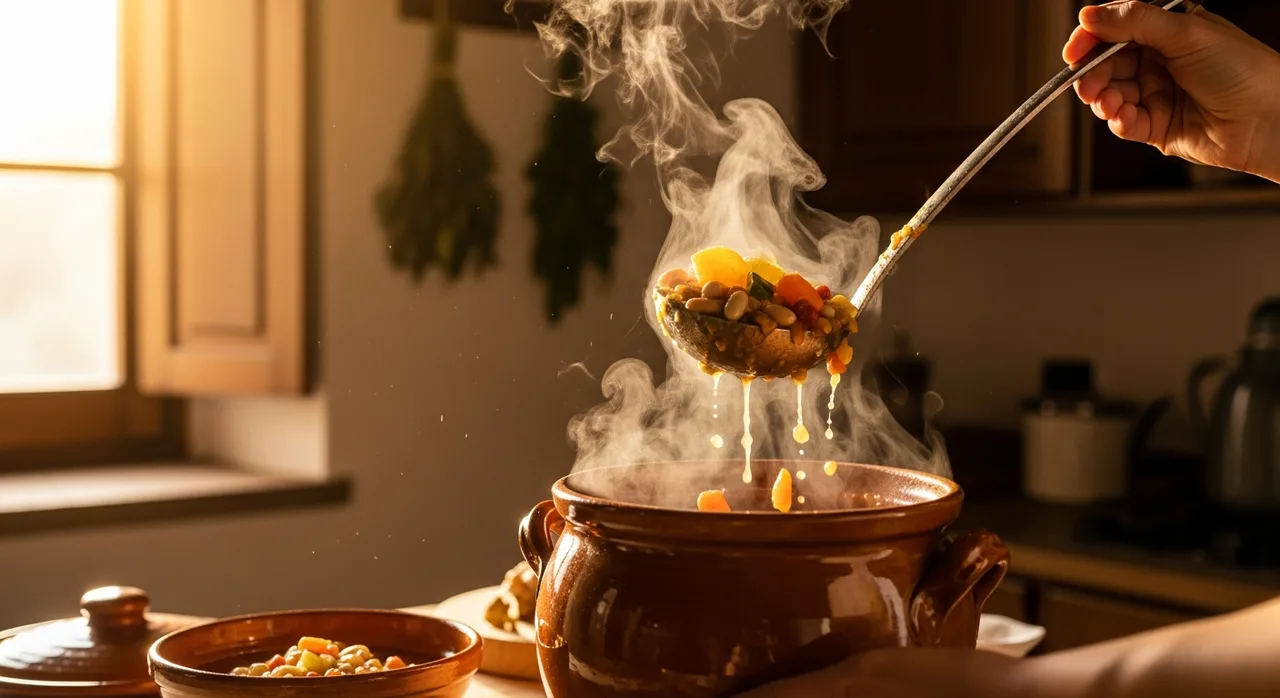
Remove the Parmesan rind and rosemary. Season with salt and freshly ground black pepper. Roughly tear the fresh basil and stir it in. Before serving, drizzle generously with extra virgin olive oil – this is the moment when the Minestrone reaches its full glory. Top with freshly grated Parmigiano Reggiano on the plate.
The Most Important Tips for an Authentic Minestrone alla Nonna
To ensure your Minestrone turns out perfectly and tastes like more, here are the success tips straight from Liguria:
- Think seasonally: In summer, zucchini and green beans; in autumn, pumpkin and savoy cabbage; in winter, chard and turnip. Minestrone adapts to the season.
- Cook pasta separately if you plan leftovers: Pasta in the soup swells over time. If you want to eat soup the next day, cook the pasta separately and add it by the portion.
- Olive oil is the secret main ingredient: Use a high-quality extra virgin olive oil. You can taste it – both in the soffritto and fresh when serving.
- Even better the next day: Like many Italian braised dishes, Minestrone tastes more intense when reheated. Everything melds beautifully overnight.
- Serve with bread: A piece of stale peasant bread added to the soup transforms the Minestrone into Ribollita – the Tuscan version with bread.
Regional Variations of Italian Minestrone
Italy is not one country, but twenty regions with twenty cuisines. Accordingly, there is not the one Minestrone, but countless regional interpretations. Here are the most important variations – each one a small declaration of love to its homeland:
Minestrone alla Genovese (Liguria)
The version my family cooks. At the end, a generous spoonful of Pesto Genovese goes directly into the plate – made from fresh basil, pine nuts, garlic, Parmigiano, and Ligurian olive oil. The heat of the soup distributes the pesto, and the kitchen immediately smells like summer. A feast that is incomparable to almost any other dish.
Ribollita (Tuscany)
The most famous relative of Minestrone. Ribollita means “reboiled” – traditionally, the soup from the previous day was reheated with old peasant bread (“pane sciocco”) and refined with black kale (cavolo nero). The bread soaks up the liquid, the soup becomes thicker and more filling. Unbeatable in winter.
Minestrone alla Milanese (Lombardy)
In Milan, the Italian vegetable soup is traditionally cooked with rice instead of pasta – usually Arborio or Carnaroli. Bacon or pancetta is added for a hearty note. A warming variation for cold winter evenings in the Po Valley.
Minestrone Napoletana (Campania)
In southern Italy, Minestrone is often flavored with pancetta, a pork rind, or a piece of ham bone. Add tomatoes in larger quantities and a splash of chili (peperoncino) – this gives the soup warmth and character.
Minestrone Calabrese and Siciliana
In Calabria and Sicily, eggplant, peppers, and sometimes even sun-dried tomatoes are often added to Minestrone. The flavors are stronger, more Mediterranean – and olive oil plays an even more central role here than in the north.
Vegetarian and Vegan Minestrone
The basic recipe is naturally vegetarian. For a vegan Minestrone, simply omit the Parmesan rind and replace it with a tablespoon of nutritional yeast or a piece of dried shiitake mushroom. This gives the Italian vegetable soup the missing umami note without animal products.
Why Minestrone alla Nonna Is So Healthy
The Minestrone is a prime example of the Mediterranean diet – that dietary pattern which, according to numerous studies, is one of the healthiest eating patterns in the world. In a single bowl you will find:
- Fiber from vegetables and legumes – promotes digestion and provides lasting satiety
- Plant-based protein from beans – sustainable, climate-friendly, and filling
- Vitamins A, C, and K from colorful seasonal vegetables
- Antioxidants from tomatoes (lycopene), basil, and extra virgin olive oil (polyphenols)
- Monounsaturated fatty acids from olive oil – heart-protective according to the famous PREDIMED study
- Complex carbohydrates from pasta and potatoes – provide long-lasting energy
A serving of Minestrone alla Nonna with pasta and a drizzle of olive oil provides, depending on size, about 350–450 calories, hardly any saturated fats, and is at the same time a complete lunch. Anyone who wants to maintain or reduce weight is excellently served with a plate of Minestrone as a main meal – the combination of fiber and plant-based protein provides lasting satiety without spiking blood sugar.
Which Olive Oil Makes Minestrone Perfect?
For an authentic Minestrone alla Nonna, olive oil is not a minor detail. It is used in two stages: once warm in the soffritto and once fresh and cold when serving. Quality matters both times.
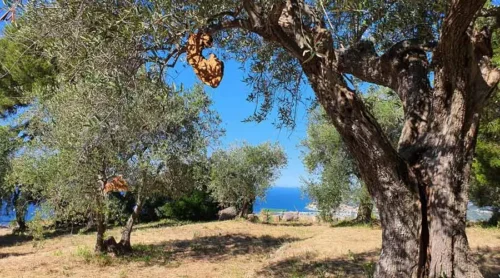
For the soffritto, a mild to medium-bodied extra virgin olive oil is suitable. It should be fruity, but not too bitter – otherwise it will overpower the delicate aroma of the vegetables. Ligurian oils from the Taggiasca olive are ideal here: gentle, almond-like, slightly sweet.
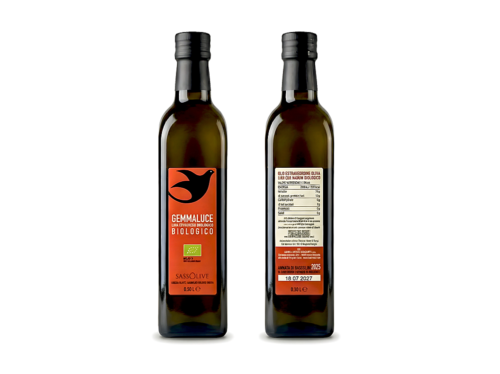
For serving, a somewhat more robust olive oil is appropriate – an “olio nuovo” from the young harvest with grassy notes and a slight peppery finish. The oil poured fresh over the hot soup unfolds its full aroma and transforms a good Minestrone into an exceptional dish. Our single-variety organic olive oil Sassolive from Liguria is made for this – cold-pressed, rich in polyphenols, and with the typical Ligurian character.
For those who want to delve deeper into the subject: With an olive tree adoption, you secure fresh oil directly from the tree – and at the same time support small-scale olive cultivation in Liguria, without which recipes like Minestrone alla Nonna would no longer exist in this form.
Which Wine Pairs with Minestrone?
With Minestrone alla Nonna, a light, fruity Italian red wine such as a Chianti or Sangiovese di Romagna pairs well. If you prefer something lighter, choose a dry white wine such as Vermentino from Liguria – this is regionally correct and pairs beautifully with the herbal note of the soup.
Frequently Asked Questions About Minestrone alla Nonna
How Long Does an Authentic Minestrone Need to Cook?
At least 45 minutes, ideally 60–90 minutes. The longer the Italian vegetable soup simmers, the more intense the flavor becomes. The beans require additional pre-cooking time.
Can I Freeze Minestrone?
Yes, but preferably without the pasta. Prepare the soup up to step 4, let it cool, and freeze. When reheating, add fresh pasta and cook briefly.
Which Pasta Is Best Suited for Minestrone?
Classic choices are ditalini, tubetti, or broken spaghetti. The pasta should be short so it can be easily spooned.
Why Did My Minestrone Become Watery?
Either too much water or not reduced enough. Let the soup simmer longer without a lid. Stir in a few mashed beans – they naturally thicken the broth, without flour or cream.
Which Olive Oil Is Best Suited?
A high-quality extra virgin olive oil from Italy – ideally a somewhat grassy, Ligurian oil like our single-variety organic olive oil. It pairs perfectly in flavor with Italian home cooking and truly brings out the aromas of Minestrone.
How to Serve Minestrone alla Nonna Properly
The Minestrone alla Nonna is more than a lunch – it is a piece of Italian food culture. To present it properly at the table, here are a few recommendations straight from the Ligurian family kitchen. Serve the soup in deep, rustic stoneware plates or country ceramic bowls, ideally slightly preheated – this keeps the Minestrone hot longer. Directly at the table, pour generously from the olive oil bottle: everyone at the table decides for themselves how much extra virgin olive oil they want. Freshly grated Parmigiano Reggiano is placed in a small bowl with a grater in the center of the table.
Serve slices of crispy ciabatta or rustic peasant bread alongside, preferably drizzled with olive oil. As an appetizer before the soup, a few olives, marinated artichokes, and a glass of Vermentino pair well. If you want to turn the Minestrone into a complete Italian meal, serve a simple piece of grilled fish or an Insalata Mista with wild greens afterward. Buon appetito – and as Nonna always says: “A good Minestrone makes no noise, but everyone at the table falls silent.”
More Italian Recipes and Olive Oil Knowledge
- Spaghetti Carbonara – Original Italian Recipe Without Cream
- Mediterranean Diet – the Mediterranean diet in detail
- Olive Oil in Hot Cooking – Sautéing, Braising, and Frying
- More Recipes from Signora Emilia
- Follow Us on Facebook – Organic Farming Italy
Have You Tried This Minestrone alla Nonna Recipe? We look forward to your feedback! Write to us or share your result on social media with the hashtag #CucinaDellaNonna.